Amsterdam’s Canals and Culture: Art, History, and the Free-Spirited Dutch Capital
Amsterdam, the capital of the Netherlands, is a city that seamlessly blends history, culture, and progressive values. Known for its picturesque canals, vibrant arts scene, and open-minded spirit, Amsterdam is a place where the past meets the present in the most harmonious way. Its historic buildings, world-renowned museums, and innovative social policies have made it one of Europe’s most unique and beloved cities. Whether exploring its cobbled streets by bicycle, admiring masterpieces in the Rijksmuseum, or cruising through the canals at sunset, Amsterdam offers an experience that is both deeply enriching and effortlessly enjoyable. The city’s ability to preserve its heritage while embracing modernity makes it a fascinating destination for history lovers, art enthusiasts, and those who appreciate the Dutch way of life.
The Iconic Canals: Amsterdam’s Lifeline
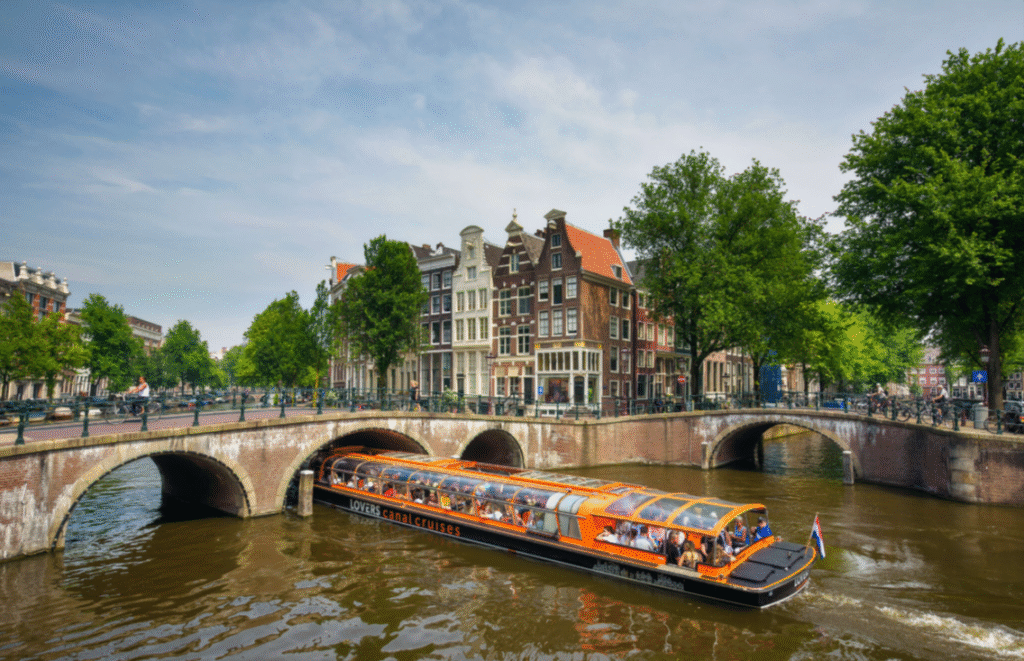
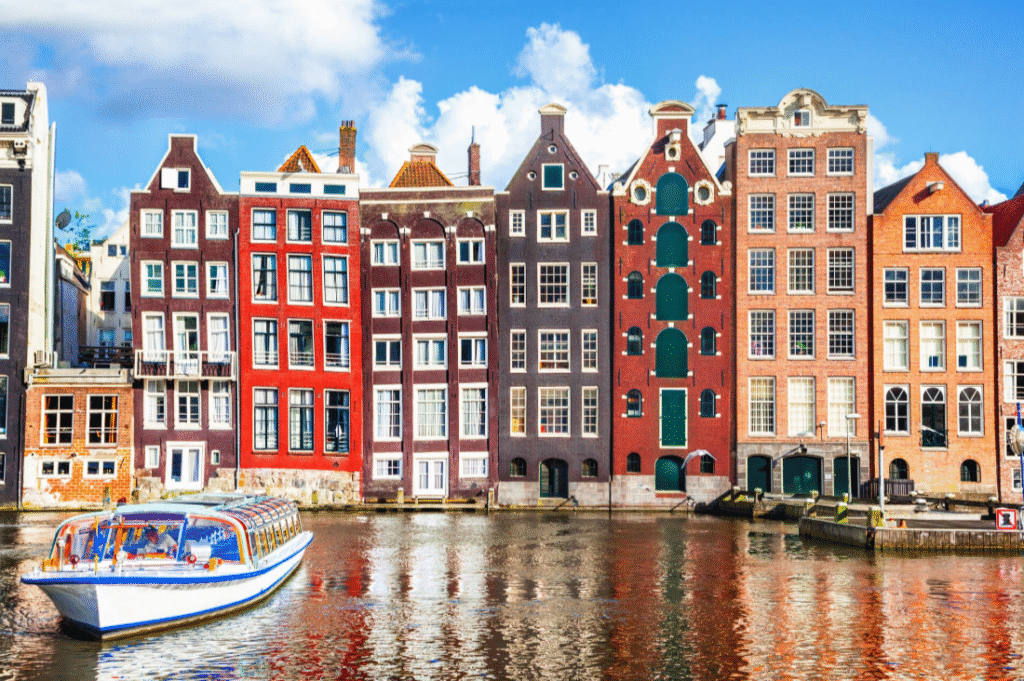
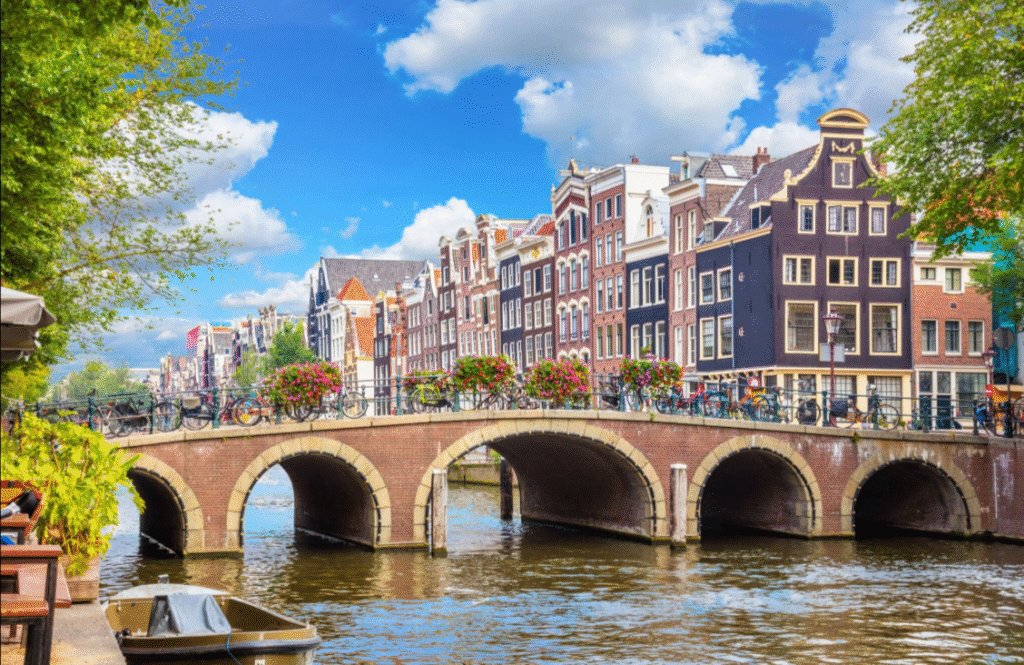
Amsterdam’s canal system, a UNESCO World Heritage site, is one of the city’s most defining features. Built in the 17th century during the Dutch Golden Age, the canals served as a means of transportation, defense, and urban expansion. Today, they are a symbol of the city’s architectural ingenuity and remain central to its identity. The canal belt, or Grachtengordel, is lined with stunning merchant houses, charming bridges, and houseboats, creating an atmosphere that is both romantic and quintessentially Dutch.
Exploring the canals by boat is one of the best ways to experience Amsterdam. Canal cruises offer a unique perspective of the city, gliding past landmarks such as the Anne Frank House, the Westerkerk, and the Magere Brug (Skinny Bridge). For a more intimate experience, renting a small electric boat or taking a guided kayak tour allows visitors to navigate the waterways at their own pace.
Walking or cycling along the canals provides another way to appreciate Amsterdam’s beauty. The Jordaan district, once a working-class neighborhood, is now one of the most sought-after areas, known for its narrow streets, hidden courtyards, and art galleries. The Nine Streets (De Negen Straatjes), a collection of charming boutique-lined streets in the heart of the canal belt, offers a perfect blend of historic charm and modern shopping experiences. Whether exploring by boat, bike, or foot, the canals of Amsterdam provide an ever-present backdrop to the city’s vibrant life.
A City of Art and History: Museums and Cultural Heritage
Amsterdam has long been a hub for art and intellectual thought, with a rich history of painters, writers, and philosophers shaping its cultural landscape. The city is home to some of the most prestigious museums in the world, offering visitors the chance to explore centuries of artistic achievement.
The Rijksmuseum is the crown jewel of Amsterdam’s museum scene, housing masterpieces by Dutch painters such as Rembrandt, Vermeer, and Frans Hals. The Night Watch, Rembrandt’s most famous work, is a highlight of the collection, showcasing the artist’s mastery of light, shadow, and movement. The museum itself, an architectural masterpiece, is set in beautifully landscaped gardens, making it a must-visit for anyone interested in art and history.
Nearby, the Van Gogh Museum offers an intimate look at the life and works of the legendary painter. With an extensive collection of his paintings, drawings, and letters, the museum traces Van Gogh’s artistic evolution, from his early dark-hued pieces to his vibrant sunflower series. The experience is both inspiring and deeply personal, providing insight into the struggles and genius of one of the world’s most beloved artists.
For contemporary art lovers, the Stedelijk Museum presents cutting-edge exhibitions featuring works by modern masters such as Mondrian, Kandinsky, and Warhol. Its striking architecture and thought-provoking collections make it a key destination for those interested in modern and contemporary art.
Beyond art, Amsterdam is rich in historical landmarks that tell the story of its past. The Anne Frank House is one of the most visited sites in the city, offering a powerful and moving experience that brings the history of the Holocaust to life. Walking through the hidden annex where Anne Frank and her family lived in secrecy is a deeply emotional journey, reminding visitors of the importance of remembering history.
The Royal Palace on Dam Square, once the town hall, is another testament to Amsterdam’s historical grandeur. Its opulent interiors, marble sculptures, and grand halls reflect the wealth and power of the Dutch Republic during its Golden Age. Meanwhile, the Begijnhof, a hidden courtyard in the heart of the city, provides a peaceful retreat and a glimpse into Amsterdam’s medieval past.
The Free-Spirited Heart of Amsterdam: Progressive Culture and Local Life
Amsterdam has long been known for its progressive values, tolerance, and open-minded culture. The city’s approach to social issues, from LGBTQ+ rights to environmental sustainability, has made it a leader in progressive policies and urban living.
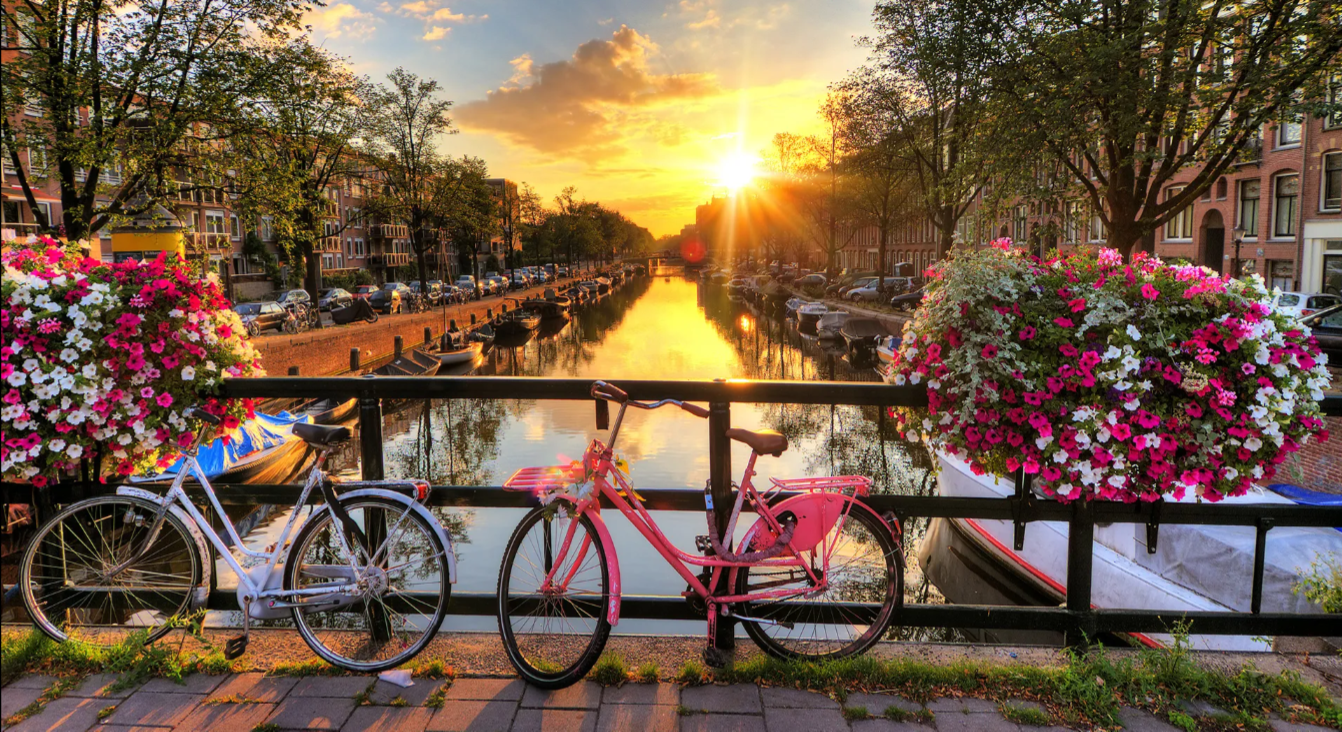
One of the most iconic aspects of Amsterdam’s lifestyle is its cycling culture. With more bikes than residents, the city is designed for cyclists, with dedicated bike lanes, traffic signals, and bike-friendly infrastructure. Renting a bicycle is one of the best ways to explore Amsterdam like a local, offering the freedom to discover hidden courtyards, lively markets, and scenic parks at one’s own pace.
The city’s café culture is another integral part of daily life. While Amsterdam is famous for its coffee shops that legally sell cannabis, its traditional cafés offer a more classic Dutch experience. Brown cafés (bruin cafés), such as Café Hoppe and Café t’Smalle, serve up strong coffee, local beers, and traditional Dutch snacks in cozy, wood-paneled settings. These establishments are gathering places for locals and visitors alike, offering a warm and welcoming atmosphere.
Amsterdam’s markets further reflect the city’s diverse and dynamic character. The Albert Cuyp Market, one of the largest in Europe, offers everything from fresh produce and Dutch cheeses to handmade crafts and street food. The floating Bloemenmarkt, a unique flower market on the Singel Canal, showcases the Netherlands’ love for tulips and horticulture. Meanwhile, the Noordermarkt in the Jordaan is a favorite among locals for organic produce, antiques, and artisanal goods.
At night, Amsterdam’s cultural scene comes alive with live music, theater, and nightlife that caters to every taste. The city’s renowned music venues, such as Paradiso and Melkweg, host international artists across all genres, while intimate jazz bars like Café Alto provide a more laid-back experience. The city’s club scene is equally famous, with venues like Shelter and De School offering world-class electronic music experiences.
Amsterdam is a city of contrasts—historic yet modern, artistic yet progressive, tranquil yet vibrant. Its canals, museums, and architectural beauty provide a stunning setting for a city that continues to innovate and inspire. Whether exploring its world-class art collections, cycling through its scenic streets, or embracing its open-minded spirit, visitors to Amsterdam will find themselves immersed in a city that values creativity, freedom, and community. It is a destination that leaves a lasting impression, offering a glimpse into the past while celebrating the present and shaping the future. Amsterdam’s unique charm lies in its ability to welcome all who come, inviting them to experience its culture, history, and vibrant way of life.