Chisinau’s Soviet Echoes: Moldova’s Lesser-Known Yet Fascinating Capital
Chisinau, the capital of Moldova, is a city that often flies under the radar of European travelers. While it may not have the grandeur of Paris or the medieval charm of Prague, Chisinau possesses a quiet allure, shaped by its Soviet past, green spaces, and emerging modern identity. It is a city of resilience, having endured wars, political shifts, and economic challenges, yet it remains a place where history and transformation coexist. Soviet-era architecture, Orthodox cathedrals, sprawling parks, and a growing café culture make Chisinau a city that surprises those who take the time to explore it. From its Brutalist government buildings to its world-class wineries, Moldova’s capital is a fascinating mix of nostalgia and renewal, offering a glimpse into a country still forging its identity in the heart of Eastern Europe.
Soviet Architecture and Historical Landmarks: Traces of the Past
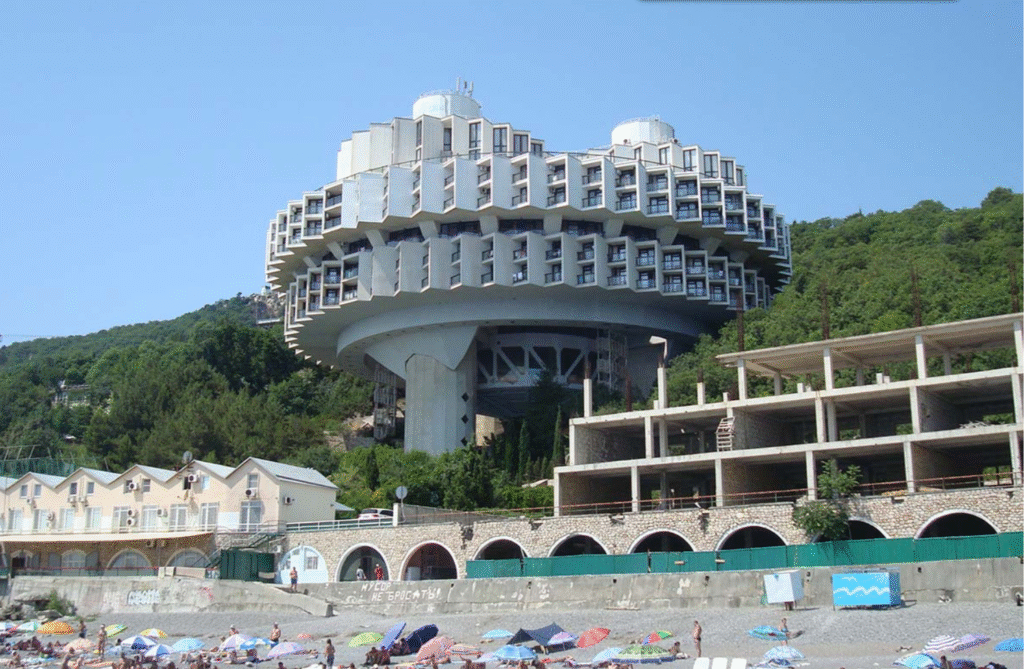
Chisinau’s Soviet past is evident in its urban landscape. The city was heavily bombed during World War II, and much of it was rebuilt during the Soviet era, leading to an abundance of Brutalist and Stalinist architecture. Unlike other capitals in the region that have moved away from their Soviet aesthetics, Chisinau retains much of its socialist-era design, giving it a unique character that appeals to those interested in Cold War history.
One of the most recognizable landmarks of the city is the Presidential Palace, a towering example of Soviet monumentalism that was once the seat of Moldova’s Communist Party. Its stark, symmetrical design contrasts with the more traditional buildings nearby, symbolizing the ideological divide that shaped the nation. Similarly, the Government House, another Soviet-era structure, dominates Great National Assembly Square, a vast open space that has witnessed countless political demonstrations and historical events.
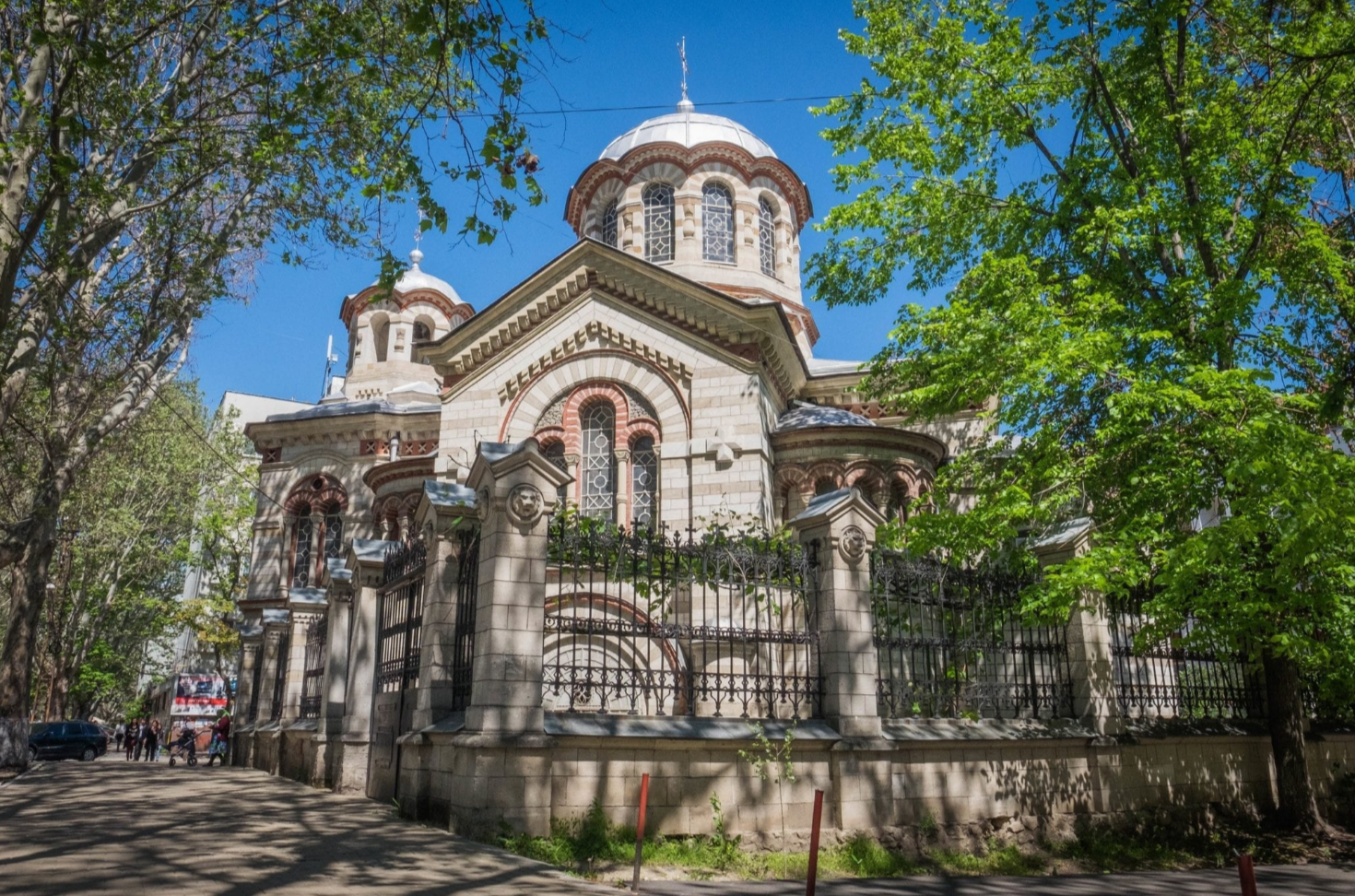
Just steps away from these imposing structures lies the Triumphal Arch, a neoclassical monument built in the 19th century to commemorate the Russian Empire’s victory over the Ottoman Turks. This stark contrast between imperial elegance and Soviet functionality is emblematic of Chisinau’s layered history. The arch stands in front of the Nativity Cathedral, the city’s most important Orthodox church. With its simple yet elegant design, the cathedral represents the spiritual heart of Chisinau and serves as a peaceful retreat amid the surrounding urban landscape.
For a deeper dive into Moldova’s history, the National Museum of History of Moldova offers a compelling collection of artifacts, including Soviet memorabilia, medieval treasures, and relics from the country’s long and complex past. The museum provides insight into how Moldova has evolved from a contested territory between empires to an independent nation struggling to define itself in modern Europe.
A City of Green Spaces and Everyday Life: Chisinau’s Relaxed Charm
Despite its Soviet-style infrastructure, Chisinau is surprisingly green. The city is home to numerous parks and gardens, offering a welcome contrast to its Brutalist architecture. These green spaces serve as social hubs where locals gather to relax, exercise, and enjoy the outdoors.
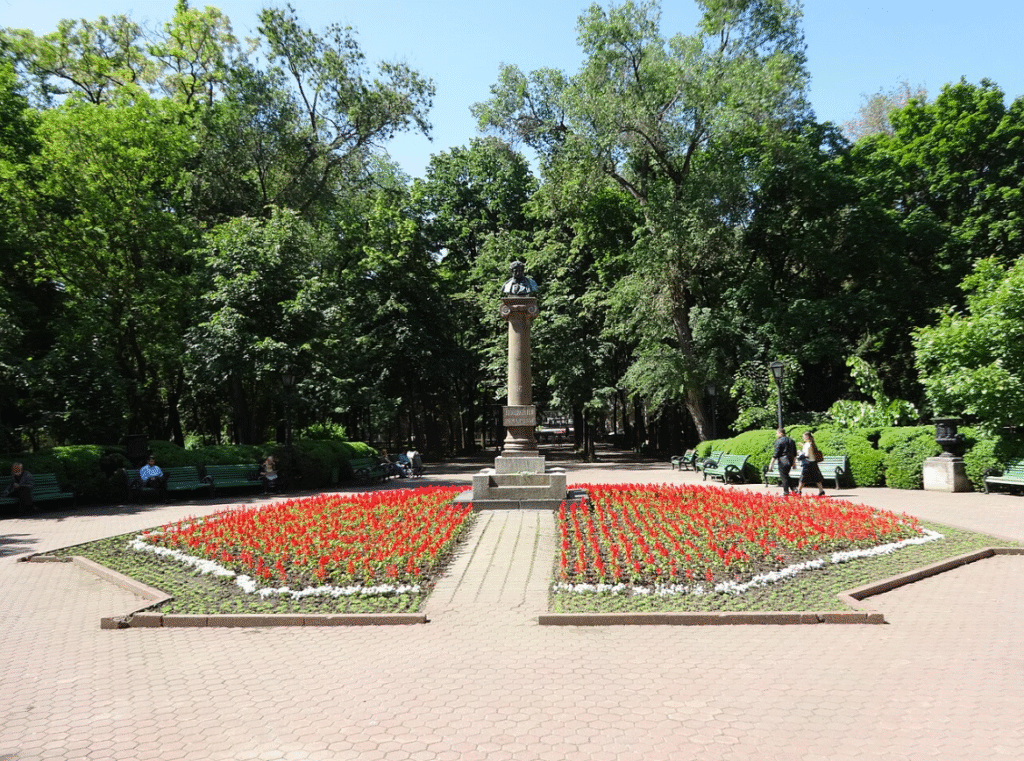
Stefan cel Mare Central Park, named after Moldova’s national hero, is one of the city’s most beloved spots. With tree-lined paths, fountains, and open-air cafés, it provides a tranquil space for both residents and visitors. The park’s centerpiece is a statue of Stefan cel Mare himself, a medieval ruler who defended Moldova against Ottoman and Hungarian forces. His legacy remains deeply embedded in the country’s national identity, making this monument a symbolic landmark.
Not far from the park is Valea Morilor Park, a picturesque area surrounding a man-made lake. Originally designed during the Soviet period, the park has been revitalized in recent years, becoming a popular location for joggers, families, and couples. The lake’s reflection of the surrounding trees and skyline adds to its scenic beauty, making it a perfect escape from the city’s more industrial areas.
Chisinau’s café culture is also growing, blending old-world traditions with modern European influences. Local cafés such as Tucano Coffee and Café de Italia offer a cozy atmosphere where visitors can sip high-quality Moldovan coffee while observing the city’s rhythm. Unlike the fast-paced energy of Western European capitals, life in Chisinau moves at a slower pace, allowing visitors to appreciate the small details that make the city unique.
Another hidden gem is the Piata Centrala, Chisinau’s bustling central market. Here, vendors sell fresh produce, homemade cheeses, cured meats, and traditional Moldovan pastries. The market is a sensory experience, filled with the lively chatter of traders and the aroma of local delicacies. It is one of the best places to experience the authentic daily life of Chisinau, where traditional ways of commerce continue to thrive despite the city’s modernization.
Moldova’s Wine Heritage: The Capital’s Gateway to World-Class Vineyards
While Chisinau itself is a fascinating city, one of its greatest draws is its proximity to Moldova’s famous wine regions. Moldova has one of the oldest winemaking traditions in the world, and the capital serves as the perfect starting point for exploring this rich heritage.
Just outside the city, the Cricova Winery is a must-visit for wine enthusiasts. This vast underground complex, stretching over 120 kilometers, is one of the largest wine cellars in the world. Originally carved out for limestone mining, the tunnels now house millions of bottles of Moldovan and international wines. Touring Cricova offers a unique experience, with dimly lit corridors leading to grand tasting halls and cellars filled with rare vintages. It is said that even world leaders, including Vladimir Putin and Angela Merkel, have personal wine collections stored here.
Another renowned winery near Chisinau is Milestii Mici, which holds the Guinness World Record for the largest wine collection on the planet. Visitors can explore this underground “wine city” by car, driving through tunnels lined with barrels and tasting Moldova’s best vintages along the way. These wineries reflect the deep cultural and economic significance of winemaking in Moldova, a country that exports its wines across Europe and beyond.
Back in Chisinau, wine bars such as Carpe Diem offer a chance to sample local varieties without leaving the city. Moldovan wines, particularly those made from indigenous grape varieties such as Feteasca Neagra and Rara Neagra, are gaining international recognition, making them a must-try for any visitor to the region.
Chisinau may not be the most glamorous or well-known capital in Europe, but it is a city with a distinctive charm, shaped by history, resilience, and a touch of Soviet nostalgia. Its mix of Brutalist architecture, Orthodox heritage, lush parks, and emerging modern influences create a cityscape that is both intriguing and unexpected. Beyond its urban appeal, Chisinau serves as the gateway to Moldova’s world-class wine regions, offering visitors a taste of one of Europe’s best-kept vinicultural secrets. For those willing to venture off the beaten path, Moldova’s capital provides an authentic and rewarding experience, where past and present collide in a fascinating and ever-evolving landscape.