Copenhagen’s Hygge Haven: Bicycles, Canals, and Scandinavian Design
Copenhagen, the capital of Denmark, is a city that embodies the essence of Scandinavian charm and modern innovation. It is a place where history and contemporary design coexist harmoniously, where bicycles outnumber cars, and where the Danish philosophy of hygge—a deep appreciation for coziness and simple pleasures—defines daily life. With its picturesque canals, world-renowned architecture, and commitment to sustainability, Copenhagen has become a model city for urban living. From the colorful facades of Nyhavn to the minimalist beauty of Danish interiors, every corner of the city tells a story of thoughtful design and a high quality of life. Whether cycling through the lively streets, savoring a pastry in a candlelit café, or exploring the cutting-edge cultural scene, Copenhagen offers an experience that is as relaxing as it is inspiring. The city’s blend of old-world charm and forward-thinking innovation makes it a haven for travelers seeking both comfort and adventure.
Bicycles and Canals: The Rhythm of Copenhagen
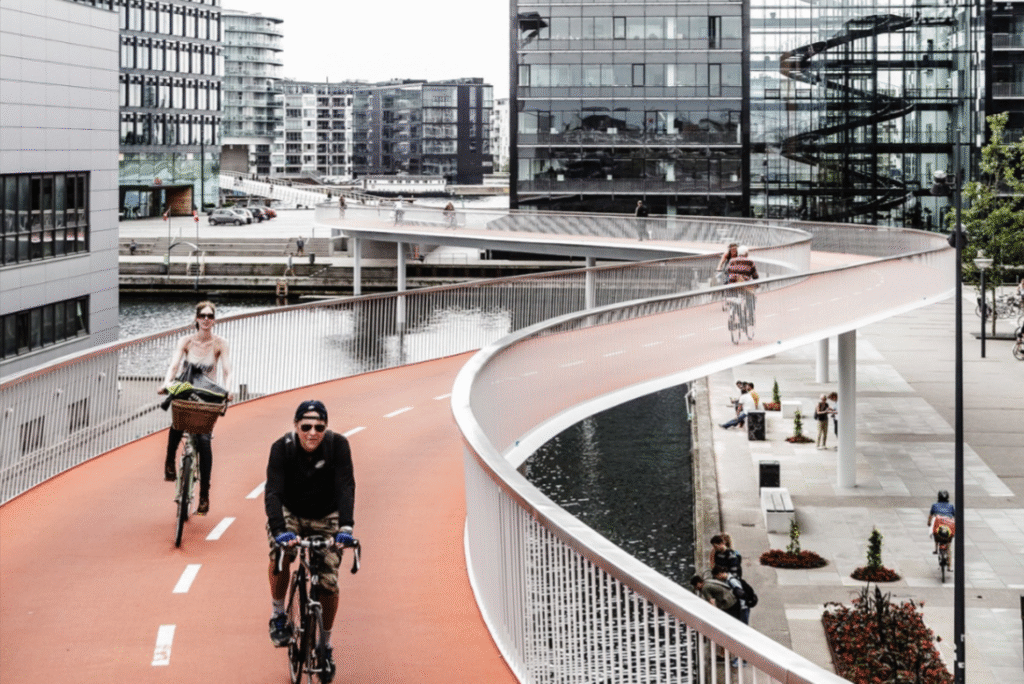
Copenhagen is one of the most bike-friendly cities in the world, with an extensive network of cycling paths that make exploring the city on two wheels an absolute joy. Bicycles are an essential part of daily life, used by commuters, students, and families alike. The city’s flat landscape, well-maintained bike lanes, and cyclist-friendly infrastructure create an environment where cycling is not only convenient but also a deeply ingrained cultural practice. Renting a bike and riding through the streets allows visitors to experience the city like a local, passing by historic landmarks, waterfront views, and charming neighborhoods at a leisurely pace.
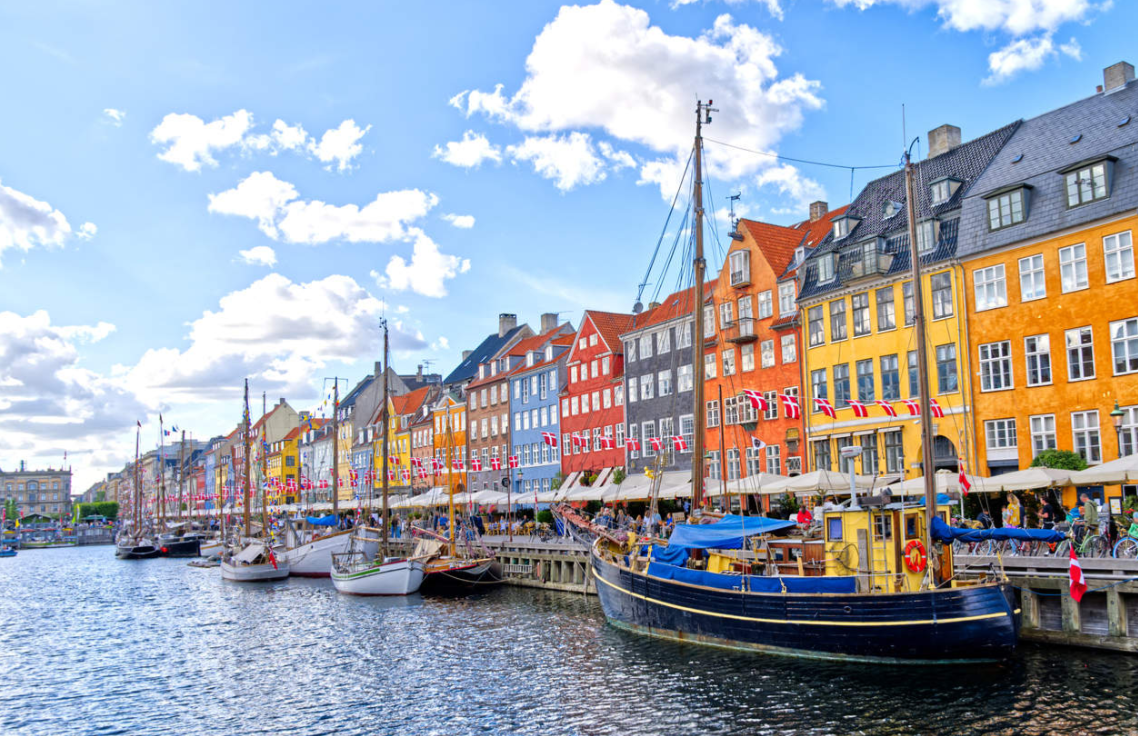
Beyond its love for cycling, Copenhagen is also a city built around water. Its canals and harbors provide stunning views and serve as the backdrop for many of its most iconic locations. A canal tour offers a unique perspective on the city’s diverse architecture, from 17th-century townhouses to sleek, modern structures like the Black Diamond Library and the Opera House. Nyhavn, with its brightly colored buildings lining the water’s edge, is one of the most famous spots in Copenhagen, offering a postcard-perfect setting where locals and tourists gather to enjoy outdoor dining and leisurely walks along the harbor.
One of the city’s most fascinating districts is Christianshavn, an area known for its picturesque canals, bohemian vibe, and the self-proclaimed free town of Christiania. With its alternative culture, street art, and independent spirit, Christiania provides a glimpse into a different side of Copenhagen—one that values creativity and communal living. Whether exploring the canals by kayak, taking in the views from the Round Tower, or enjoying a picnic along the waterfront, Copenhagen’s connection to water and movement is an essential part of its identity.
Scandinavian Design: Minimalism and Functionality
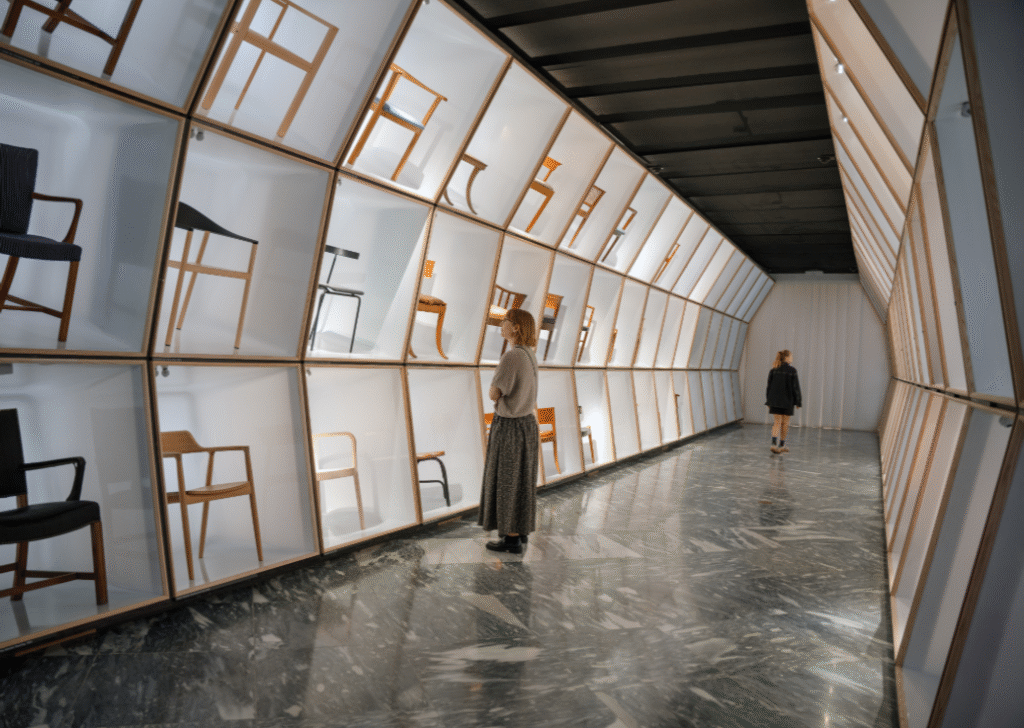
Copenhagen is a global leader in design, known for its emphasis on minimalism, functionality, and craftsmanship. Danish design is characterized by clean lines, natural materials, and a focus on creating spaces that are both beautiful and practical. This design philosophy can be seen everywhere, from the city’s urban planning to its stylish interiors and iconic furniture pieces.
The Designmuseum Danmark offers an in-depth look into the evolution of Danish design, showcasing works by legends like Arne Jacobsen, Hans Wegner, and Finn Juhl. These designers revolutionized the world of furniture and architecture, creating timeless pieces that continue to influence contemporary aesthetics. A visit to some of Copenhagen’s design boutiques, such as Hay House and Illums Bolighus, provides an opportunity to see how Danish design is seamlessly integrated into everyday life.
Copenhagen’s architecture is another testament to its commitment to innovation and sustainability. The city is home to some of the most forward-thinking urban developments in Europe, including the eco-friendly district of Ørestad and the multi-use CopenHill, a waste-to-energy power plant that doubles as a ski slope and recreation center. These projects reflect Copenhagen’s ambition to become one of the world’s most sustainable cities, blending functionality with aesthetics in a way that is uniquely Danish.
Public spaces in Copenhagen are also designed with a strong sense of community in mind. The Superkilen Park, a public space in the diverse Nørrebro district, incorporates design elements from over 60 countries, creating a vibrant and inclusive gathering place. Similarly, the Copenhagen Street Food market on Refshaleøen offers a laid-back setting where locals and visitors can enjoy a variety of international cuisines while taking in views of the harbor. These spaces demonstrate how design in Copenhagen is not just about appearance but about creating environments that enhance everyday life.
The Warmth of Hygge: Cafés, Cuisine, and Culture
At the heart of Copenhagen’s charm is the Danish concept of hygge, a word that roughly translates to a feeling of warmth, coziness, and contentment. It is a defining aspect of Danish culture, found in the city’s candlelit cafés, inviting interiors, and intimate gatherings. The best way to experience hygge is by slowing down and enjoying the simple pleasures that Copenhagen has to offer.
The city’s café culture is an essential part of this experience. Cafés such as The Coffee Collective, Atelier September, and Prolog Coffee Bar serve expertly brewed coffee in beautifully designed spaces that encourage relaxation and conversation. Many of these establishments embrace a minimalist aesthetic, using warm lighting, wooden furniture, and soft textiles to create a cozy atmosphere. A classic Danish pastry, such as a warm cinnamon kanelsnegle or a flaky spandauer, is the perfect companion to a quiet morning in one of these charming spots.
Copenhagen’s culinary scene extends beyond its cafés, offering everything from casual street food to world-renowned fine dining. The city is home to several Michelin-starred restaurants, including Noma, which has been named the best restaurant in the world multiple times. Noma and other New Nordic restaurants emphasize local, seasonal ingredients, transforming simple flavors into culinary masterpieces. However, Copenhagen’s food scene is not limited to fine dining—traditional smørrebrød (open-faced sandwiches) and freshly caught seafood can be enjoyed at casual eateries throughout the city.
In the evenings, Copenhagen’s cultural scene comes to life. The city’s theaters, jazz clubs, and intimate concert venues provide a space for artists and musicians to share their talents, while festivals like Copenhagen Light Festival and Distortion bring the streets to life with art and music. Whether sipping mulled wine at a Christmas market or attending a ballet performance at the Royal Danish Theatre, there is no shortage of ways to experience the warmth and creativity of the city.
Copenhagen is a city that embodies both tradition and progress, offering a perfect balance of historical charm and contemporary innovation. Its bike-friendly streets, scenic canals, and stunning architecture create a setting that is as inviting as it is inspiring. Through its commitment to design, sustainability, and the philosophy of hygge, Copenhagen has established itself as a model city for quality of life. Whether cycling along the harbor, discovering the beauty of Danish craftsmanship, or simply enjoying a quiet moment in a candlelit café, visitors to Copenhagen will find themselves embraced by the warmth and thoughtfulness that define this Scandinavian haven. It is a city that encourages exploration, creativity, and above all, a deep appreciation for life’s simple joys.