Dublin’s Literary Legacy: Pubs, Castles, and the Soul of Ireland
Dublin, the capital of Ireland, is a city that weaves its history, literature, and vibrant cultural spirit into a compelling and timeless tapestry. It is a place where the echoes of literary giants like James Joyce, W.B. Yeats, and Samuel Beckett resonate through cobbled streets, historic libraries, and lively pubs. From the medieval towers and grand castles that tell tales of Ireland’s turbulent past to the convivial atmosphere of traditional Irish pubs where storytelling is an art form, Dublin offers an experience that is both deeply rooted in history and brimming with contemporary energy. The city’s literary legacy is not merely a relic of the past but a living, breathing force that continues to inspire writers, poets, and visitors alike. With its blend of intellectual depth, musical traditions, and warm hospitality, Dublin captures the very soul of Ireland, inviting all who visit to immerse themselves in its rich cultural landscape.
Literary Dublin: The City of Writers and Wordsmiths
Dublin’s literary history is unparalleled, with a legacy that has shaped the world of literature for centuries. It is the birthplace of some of the most renowned writers in history, and its streets, buildings, and institutions continue to celebrate its literary heritage. Trinity College, one of the most prestigious universities in the world, houses the Long Room Library, a breathtaking hall lined with over 200,000 ancient books, including the famous Book of Kells. This illuminated manuscript, created by Celtic monks over 1,200 years ago, is one of Ireland’s most treasured artifacts and a testament to the country’s long-standing literary tradition.
A walk through the city reveals the influence of its greatest writers at every turn. The Dublin Writers Museum, set in an elegant Georgian townhouse, pays homage to literary icons such as Oscar Wilde, George Bernard Shaw, and Jonathan Swift, showcasing their works and personal artifacts. A short stroll away, the James Joyce Centre provides an in-depth look into the life and works of the author of Ulysses, one of the most influential novels of the 20th century. Each year, Dublin hosts Bloomsday, a citywide celebration in honor of Joyce’s masterpiece, where locals and visitors dress in Edwardian attire and retrace the steps of Leopold Bloom, the novel’s protagonist, through the streets of Dublin.
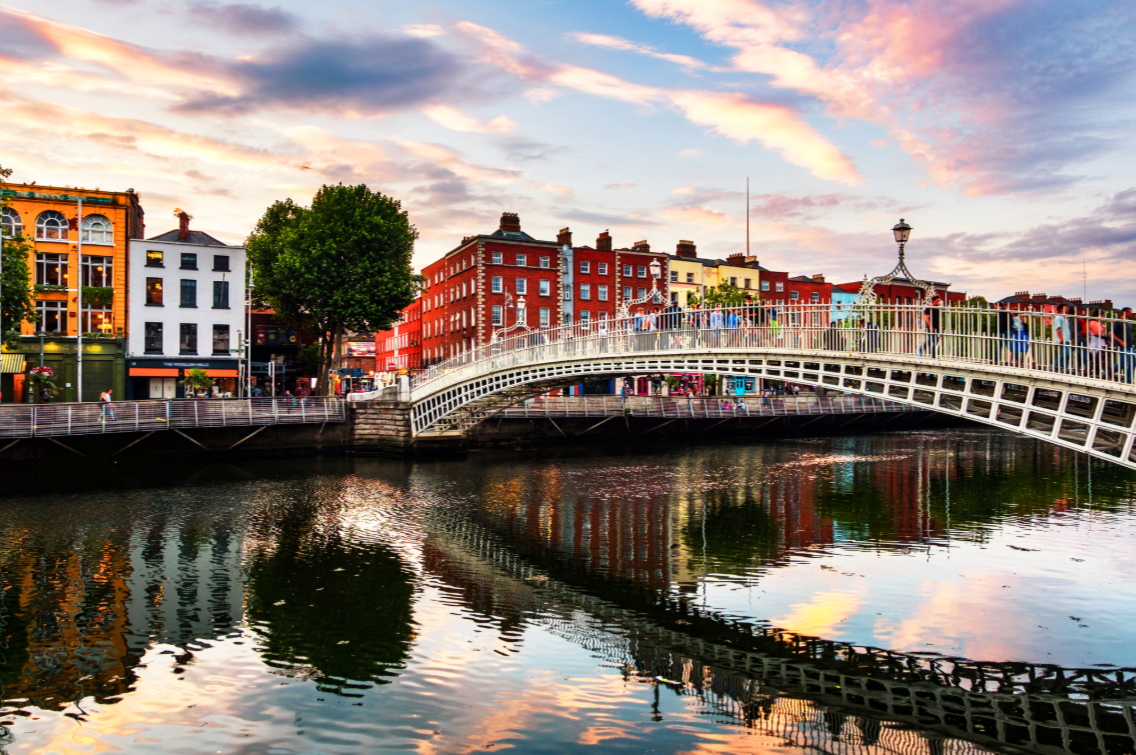
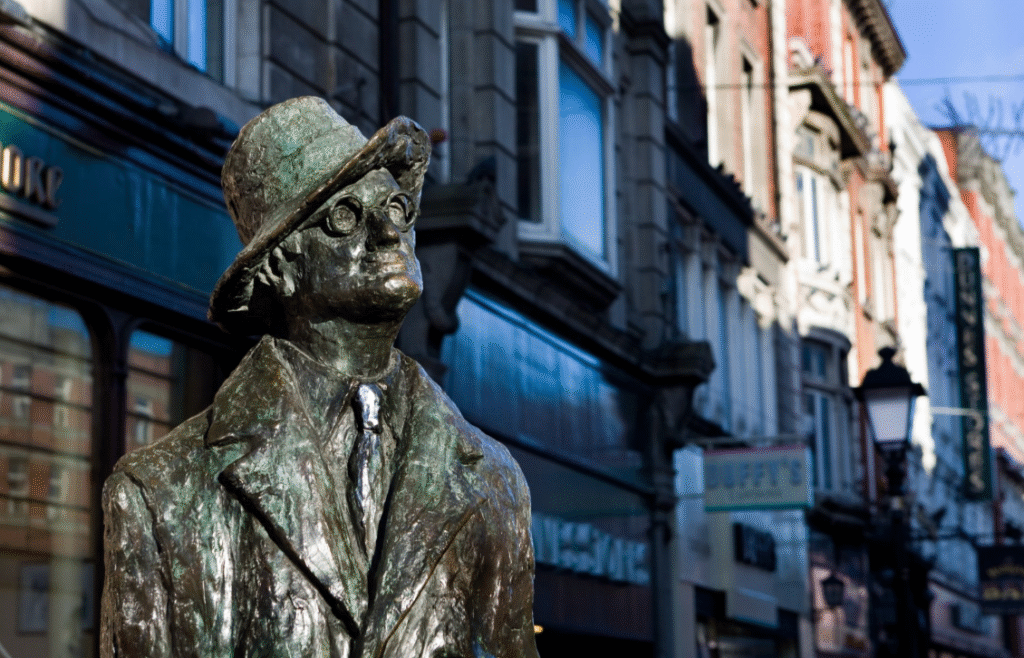
The literary magic of Dublin extends to its many statues and landmarks dedicated to its wordsmiths. The Oscar Wilde Memorial in Merrion Square Park captures the playwright’s wit and flamboyance, while the Samuel Beckett Bridge, designed in the shape of a harp, pays tribute to the Nobel Prize-winning playwright. Even the city’s bridges and buildings bear the names of its literary greats, reinforcing Dublin’s deep connection to the written word. Whether visiting the National Library of Ireland, where Yeats’ manuscripts are displayed, or exploring the lesser-known literary haunts that inspired some of the world’s greatest works, Dublin remains a haven for book lovers and storytellers alike.
Pubs, Music, and the Heartbeat of Dublin
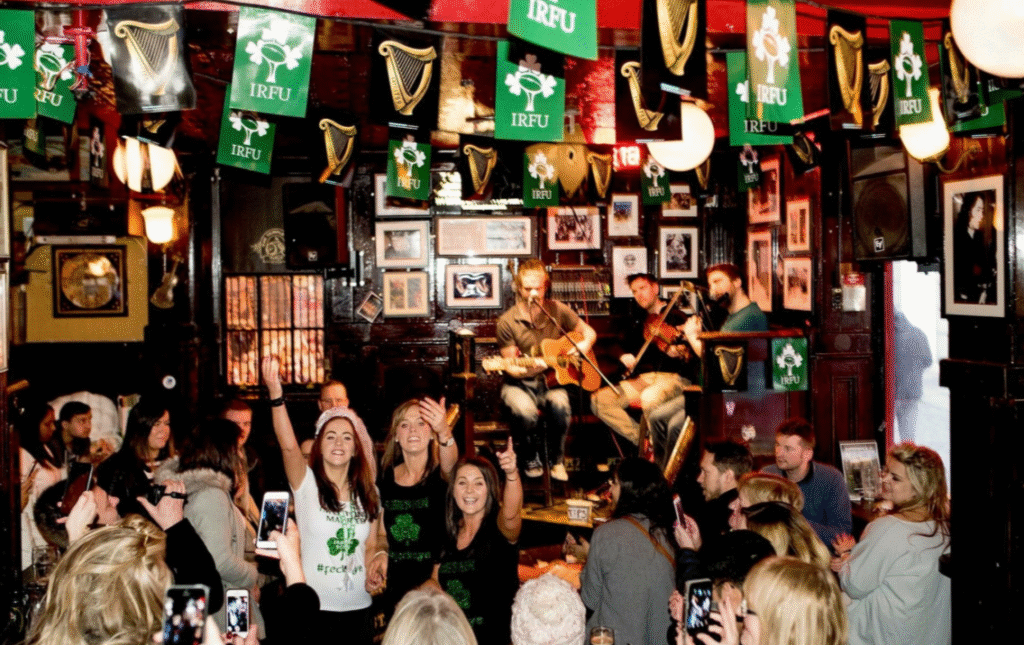
Dublin’s pub culture is an essential part of its identity, serving as both a social hub and a cornerstone of storytelling, music, and literary inspiration. Unlike the hurried pace of modern life, Dublin’s traditional pubs invite visitors to slow down, enjoy a pint of Guinness, and engage in conversation with locals who have mastered the art of storytelling. Many of these historic establishments have been frequented by Ireland’s literary figures, making them more than just places for a drink—they are living history.
One of the most famous literary pubs is The Brazen Head, dating back to 1198 and known for its connection to writers such as James Joyce and Brendan Behan. Stepping inside, visitors find themselves surrounded by low ceilings, flickering candlelight, and a cozy atmosphere that feels unchanged by time. Other legendary spots include Davy Byrne’s, immortalized in Ulysses, and The Palace Bar, a Victorian-era gem that has been a gathering place for writers, journalists, and poets for generations.
Beyond literature, Dublin’s pub culture thrives on music, particularly the traditional Irish folk music that fills the air in places like The Cobblestone and O’Donoghue’s. These venues host impromptu sessions where skilled musicians play the fiddle, tin whistle, and bodhrán, creating an electrifying yet intimate atmosphere. The fusion of literature, music, and lively storytelling in Dublin’s pubs ensures that every night in the city feels like a celebration of Irish heritage and camaraderie.
For those who want to experience the full literary-pub connection, the Dublin Literary Pub Crawl offers a guided tour through some of the city’s most historic drinking establishments, blending recitations of famous works with stories of Dublin’s literary past. It is a journey that highlights the enduring bond between Ireland’s writers and its social scene, proving that literature and conversation flow as freely as the pints poured behind the bar.
Castles and History: Echoes of Ireland’s Past
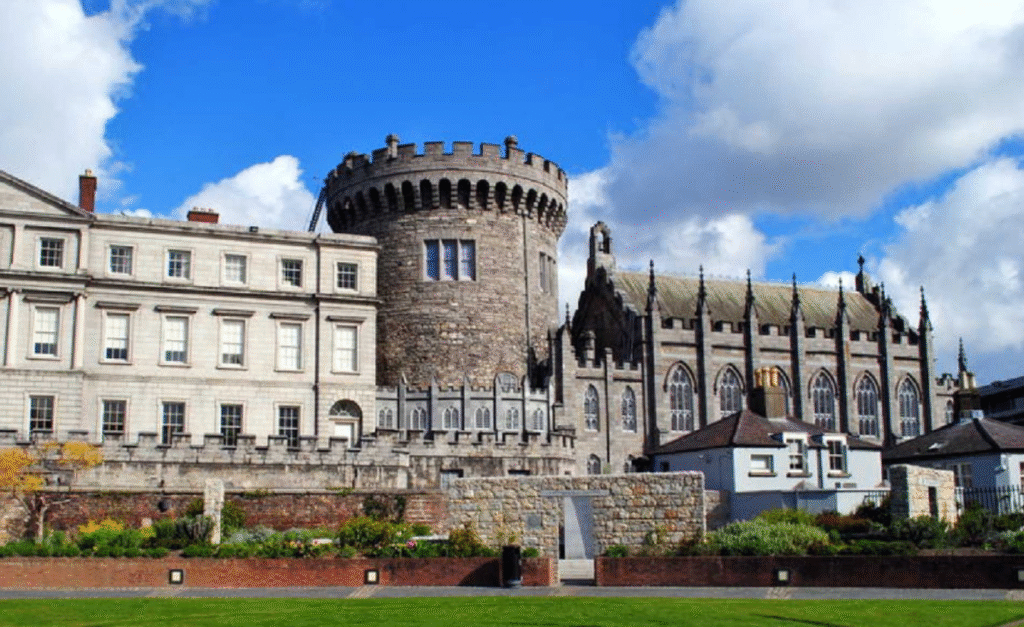
Dublin’s rich history is not confined to books and pubs; it is also etched into its grand castles and historic landmarks, which provide insight into Ireland’s complex and fascinating past. Dublin Castle, once the seat of British rule in Ireland, stands as a symbol of the country’s resilience and transformation. Today, its grand halls, medieval towers, and Viking-era remnants offer visitors a chance to explore over 800 years of history. The Chester Beatty Library, located within the castle grounds, houses an incredible collection of manuscripts, rare books, and ancient texts from around the world, further reinforcing Dublin’s literary and historical significance.
A short journey from the city center leads to Malahide Castle, a medieval fortress surrounded by lush gardens and scenic woodlands. The castle’s history stretches back over 800 years, with its rooms adorned with antique furnishings, portraits, and tapestries that tell the story of its noble residents. Meanwhile, Howth Castle, overlooking Dublin Bay, combines history with breathtaking coastal scenery, offering an ideal escape for those seeking a deeper connection to Ireland’s past.
Further afield, Kilmainham Gaol stands as a powerful reminder of Ireland’s struggle for independence. This former prison once held some of the most prominent figures in Irish history, including leaders of the 1916 Easter Rising. A visit to the site provides a sobering yet essential understanding of the sacrifices made for Irish freedom, making it one of the city’s most significant historical landmarks.
Dublin’s castles and historical sites serve as a bridge between the past and the present, allowing visitors to walk in the footsteps of Ireland’s kings, revolutionaries, and visionaries. Whether exploring the medieval walls of a fortress or uncovering hidden stories within museum archives, the city offers countless opportunities to engage with its rich heritage.