Oslo’s Fjordside Serenity: Viking Legends, Modern Art, and Nordic Lifestyle
Oslo, the capital of Norway, is a city where nature, history, and modern innovation exist in perfect harmony. Nestled between the Oslofjord and vast stretches of forest, the city is an urban oasis that balances metropolitan energy with a deep respect for nature. Rich in Viking heritage, Oslo has evolved from a medieval trading hub into a cutting-edge cultural and economic center. Today, it is a city that celebrates both its storied past and forward-thinking modernity. From its world-class museums and striking contemporary architecture to its serene fjordside retreats and thriving café culture, Oslo offers an experience that is as inspiring as it is relaxing. Whether tracing Viking footsteps, exploring the works of Edvard Munch, or soaking in the tranquil Nordic way of life, visitors to Oslo will discover a city that is both deeply rooted in tradition and confidently looking toward the future.
Viking Legends: A Journey Through Oslo’s History
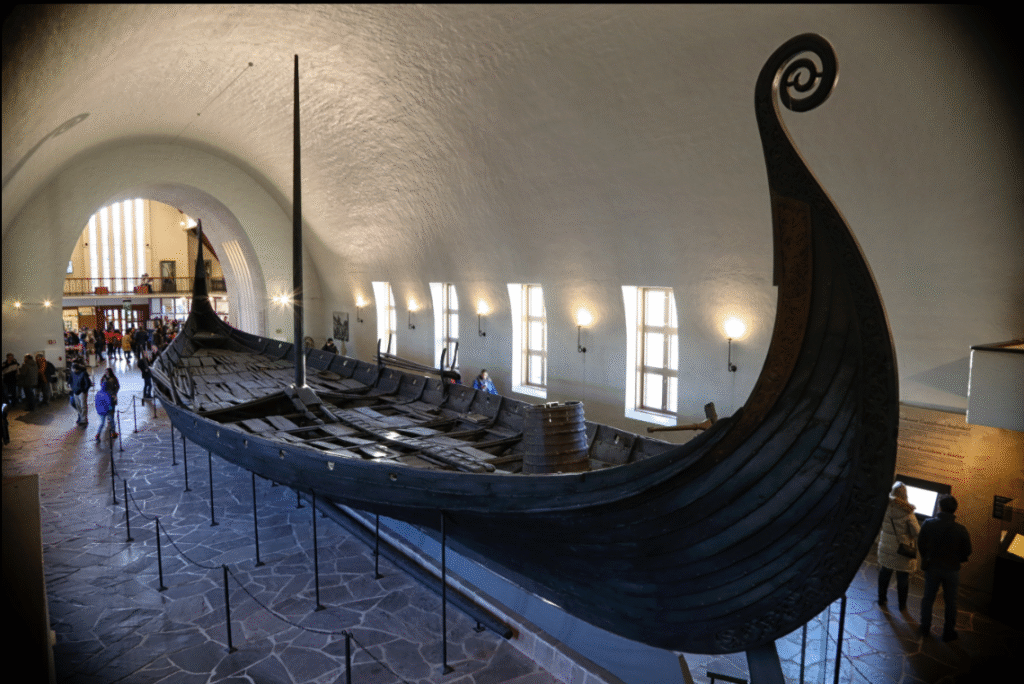
Oslo’s Viking heritage is an essential part of its identity, and the city pays homage to its seafaring ancestors in remarkable ways. The Viking Ship Museum, one of the most captivating historical sites in Norway, houses some of the best-preserved Viking ships ever discovered. These ancient vessels, intricately carved and remarkably intact, transport visitors back to an era of exploration, conquest, and maritime prowess. The museum also features burial artifacts, tools, and relics that offer insight into the daily lives of the Vikings, highlighting their skills in navigation, craftsmanship, and warfare.
Beyond the museum, the city’s historical roots are evident in the Akershus Fortress, a medieval stronghold that has stood guard over Oslo’s harbor for centuries. Built in the late 13th century, the fortress has served as a royal residence, military base, and prison. Today, it is a fascinating historical site that provides sweeping views of the fjord and a glimpse into Norway’s medieval past. Walking through its stone archways and fortified walls, visitors can imagine the battles and sieges that once shaped the city’s destiny.
For a deeper dive into Norway’s Viking history, the Historical Museum showcases a vast collection of artifacts, including weapons, jewelry, and rune stones that reveal the complexities of Viking culture. Meanwhile, Oslo’s modern-day maritime industry reflects the city’s longstanding relationship with the sea, with its bustling ports and shipyards continuing the legacy of Norwegian seafaring tradition.
Modern Art and Design: Oslo’s Contemporary Creativity
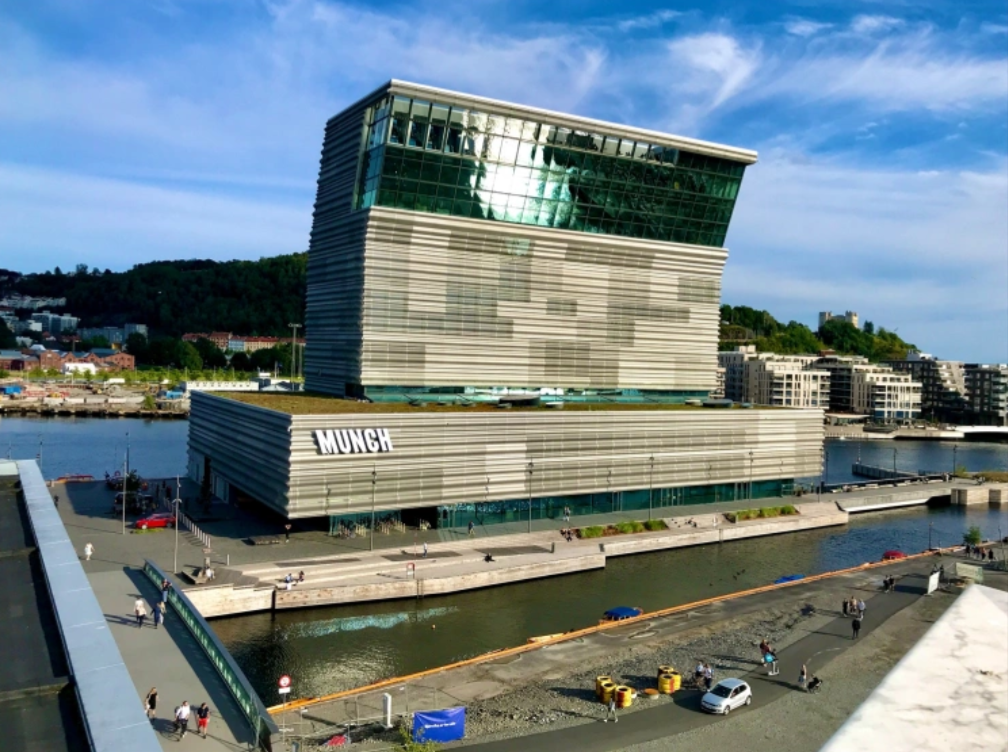
Oslo is a city that embraces art and design with an enthusiasm that is both bold and innovative. The MUNCH Museum, dedicated to the legendary painter Edvard Munch, is one of the city’s most iconic cultural institutions. Home to an extensive collection of Munch’s works, including the world-famous The Scream, the museum provides an immersive experience that delves into the life and mind of one of the most influential artists of the 20th century. The museum’s sleek, modern design reflects Oslo’s architectural ambition, making it a landmark in itself.
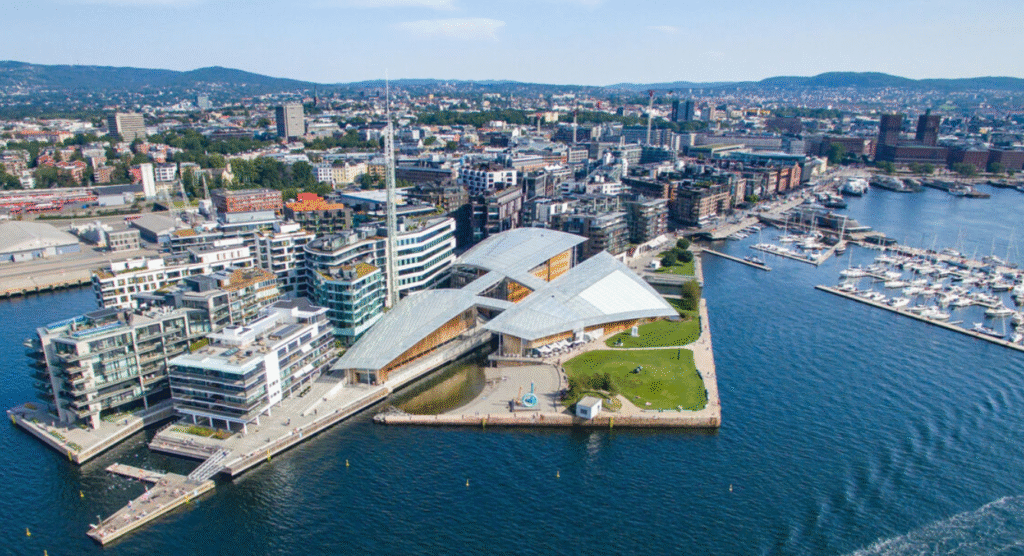
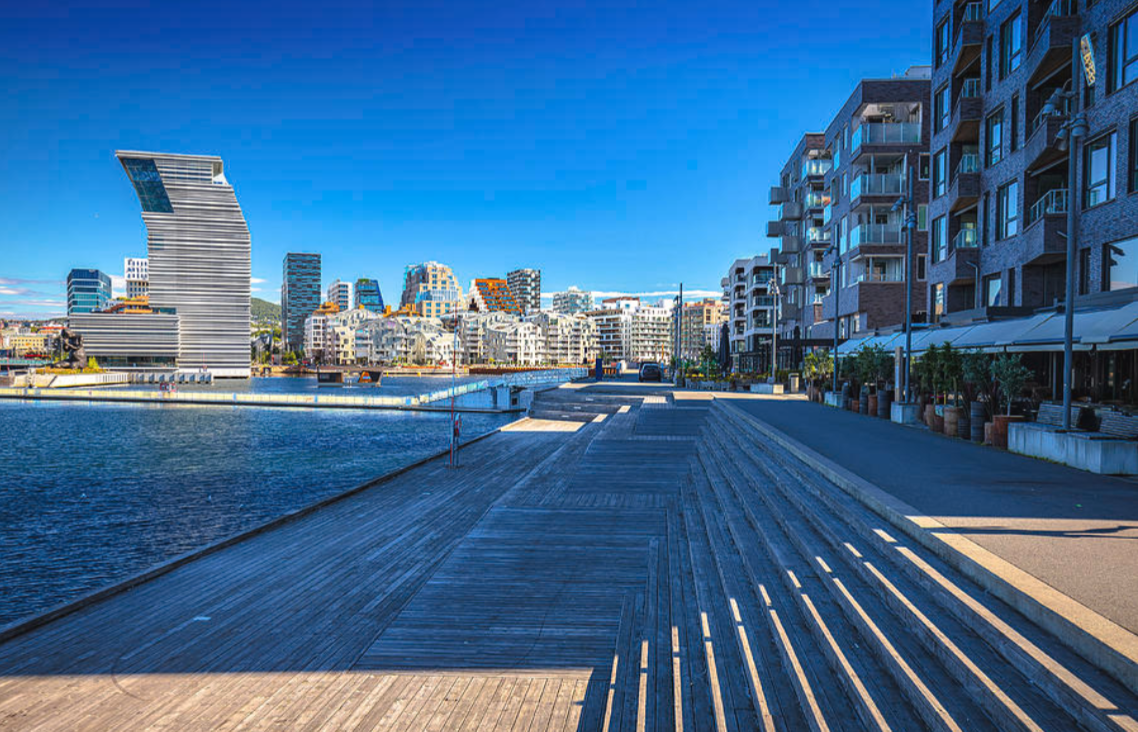
The Astrup Fearnley Museum, another major cultural hub, focuses on contemporary art, showcasing works by both Norwegian and international artists. Located along the scenic waterfront at Tjuvholmen, the museum is an architectural marvel designed by Renzo Piano, seamlessly integrating art with nature. The surrounding district, with its striking modern buildings, trendy galleries, and waterfront promenades, represents Oslo’s commitment to contemporary design and urban innovation.
The city’s emphasis on creativity extends to its public spaces, where art is seamlessly woven into the urban landscape. The Vigeland Sculpture Park, the largest sculpture park in the world dedicated to a single artist, features over 200 sculptures by Gustav Vigeland. These expressive and often thought-provoking works depict the human experience in raw, emotional detail, creating an open-air gallery that is both powerful and serene.
Oslo’s design culture is also evident in its approach to sustainability and architecture. The Barcode Project, a striking collection of high-rise buildings in the Bjørvika district, showcases the city’s forward-thinking approach to urban development. With its emphasis on eco-friendly construction, green roofs, and energy-efficient design, Oslo is leading the way in sustainable city planning, proving that innovation and environmental responsibility can go hand in hand.
The Nordic Lifestyle: Nature, Wellness, and Culinary Delights
Oslo’s way of life is deeply influenced by its natural surroundings, with the fjord and forests playing a central role in the daily routines of its residents. The city’s commitment to outdoor living is reflected in its abundance of parks, hiking trails, and waterfront spaces that encourage an active and balanced lifestyle. A short ferry ride from the city center leads to the Oslofjord’s scenic islands, where visitors can swim, kayak, or simply enjoy the tranquility of the Nordic landscape. In winter, the nearby Nordmarka forest transforms into a wonderland of cross-country skiing trails, offering a perfect escape for outdoor enthusiasts.
The concept of friluftsliv, or “open-air living,” is deeply ingrained in Norwegian culture, emphasizing the importance of spending time in nature to promote well-being. Whether picnicking in Frogner Park, jogging along the Akerselva River, or taking a weekend hike in the surrounding hills, Oslo’s residents embrace this philosophy wholeheartedly, creating a city that prioritizes health, relaxation, and connection to the outdoors.
Oslo’s culinary scene has also undergone a transformation in recent years, moving beyond its traditional roots to embrace a new wave of Nordic cuisine. While classic dishes like rakfisk (fermented fish), klippfisk (dried cod), and kjøttkaker (Norwegian meatballs) remain staples, the city’s chefs are now experimenting with modern techniques and locally sourced ingredients to create innovative and sustainable menus.
Mathallen, Oslo’s premier food market, is a must-visit destination for food lovers, offering everything from artisanal cheeses and cured meats to organic vegetables and gourmet pastries. The city’s fine dining scene is equally impressive, with restaurants such as Maaemo, Norway’s first three-Michelin-starred establishment, redefining traditional Norwegian cuisine with a focus on purity, seasonality, and locally foraged ingredients.
For a more casual experience, Oslo’s café culture is thriving, with cozy coffee shops serving up some of the best brews in Scandinavia. Norway’s obsession with coffee is evident in its third-wave coffee movement, with local roasters like Tim Wendelboe setting the standard for excellence in espresso and filter coffee. The city’s cafés, often designed with minimalist Nordic aesthetics, provide the perfect setting to relax, read, or simply soak in the serene atmosphere.
Oslo is a city that invites visitors to embrace both the past and the future, offering a journey through Viking history, cutting-edge art, and the Nordic way of life. It is a place where fjords meet modern skylines, where outdoor adventures blend seamlessly with urban sophistication, and where tradition and innovation exist in perfect balance. Whether exploring its historical landmarks, admiring contemporary masterpieces, or simply enjoying a peaceful moment by the water, Oslo offers an experience that is both enriching and restorative. As Norway’s capital continues to evolve, it remains a city that values beauty, sustainability, and well-being, making it one of Europe’s most compelling destinations for those seeking culture, nature, and a deep sense of tranquility.