Podgorica’s Undiscovered Charms: Montenegro’s Modern Meets Medieval
Podgorica, the capital of Montenegro, is a city that defies expectations. While often overshadowed by the country’s stunning Adriatic coastline and picturesque mountain towns, Podgorica has a quiet allure that blends history, modern development, and a unique Balkan charm. Unlike other European capitals known for their grand historic centers, Podgorica’s appeal lies in its contrasts—ancient ruins next to sleek contemporary architecture, Ottoman bridges crossing modern boulevards, and a growing café culture coexisting with centuries-old traditions. As Montenegro’s political and economic heart, the city is rapidly evolving, but it still holds onto its past, offering visitors a glimpse into both its medieval and modern identities. Whether exploring Roman ruins, wandering through the Ottoman-era Stara Varoš, or relaxing in one of the city’s lush parks, Podgorica provides a refreshing and authentic experience for those looking to discover Montenegro beyond its famous coastline.
Ancient Foundations and Ottoman Echoes: The Historic Side of Podgorica
While much of modern Podgorica was shaped in the aftermath of World War II, its history stretches back thousands of years, with traces of Roman, Byzantine, Ottoman, and Yugoslav influences woven throughout the city.
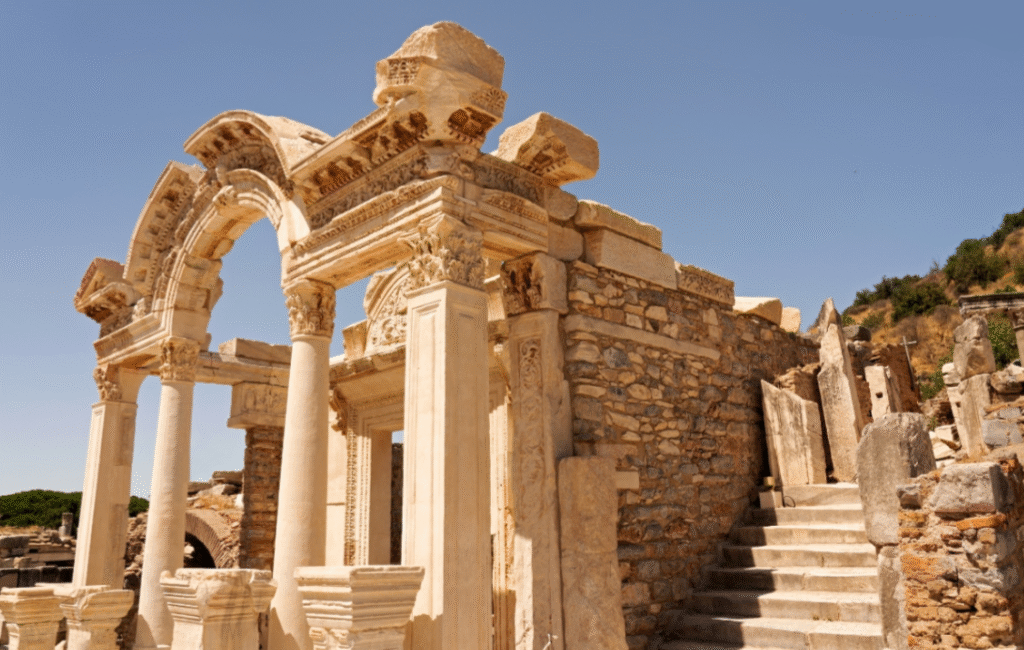
One of the most fascinating remnants of Podgorica’s past is the site of Doclea (Duklja), an ancient Roman city located just outside the modern center. Founded in the 1st century AD, Doclea was once a flourishing settlement with temples, baths, and grand public buildings. Today, the ruins offer a window into Montenegro’s early history, with remnants of mosaics and crumbling columns set against a backdrop of rolling hills. A visit to Doclea reveals a lesser-known aspect of Montenegro’s heritage, far removed from its more famous coastal towns.
Within the city itself, the Ottoman legacy is most evident in Stara Varoš, the old town of Podgorica. Unlike the grand historic districts found in other European capitals, Stara Varoš is a more modest yet atmospheric quarter, where cobbled alleys lead to mosques, small shops, and hidden courtyards. The Clock Tower (Sahat Kula), built in the 17th century by the Ottomans, stands as one of the city’s most recognizable landmarks, a reminder of a time when Podgorica was an important stop along Ottoman trade routes.
Nearby, the Ribnica Bridge, also known as the Adži-paša’s Bridge, is another link to Podgorica’s past. Spanning the Ribnica River, this stone bridge dates back to the Ottoman era and provides a picturesque contrast to the modern city rising around it. Walking along the riverbanks, visitors can find small cafés and quiet spots where they can appreciate Podgorica’s blend of old and new.
The city’s religious diversity is also reflected in its historic churches and mosques. The Church of St. George, a small yet beautiful Orthodox church, sits at the foot of Gorica Hill and dates back to the 10th century. Its faded frescoes and serene surroundings make it a peaceful retreat from the city’s bustling streets.
A Contemporary Capital: Podgorica’s Modern Face
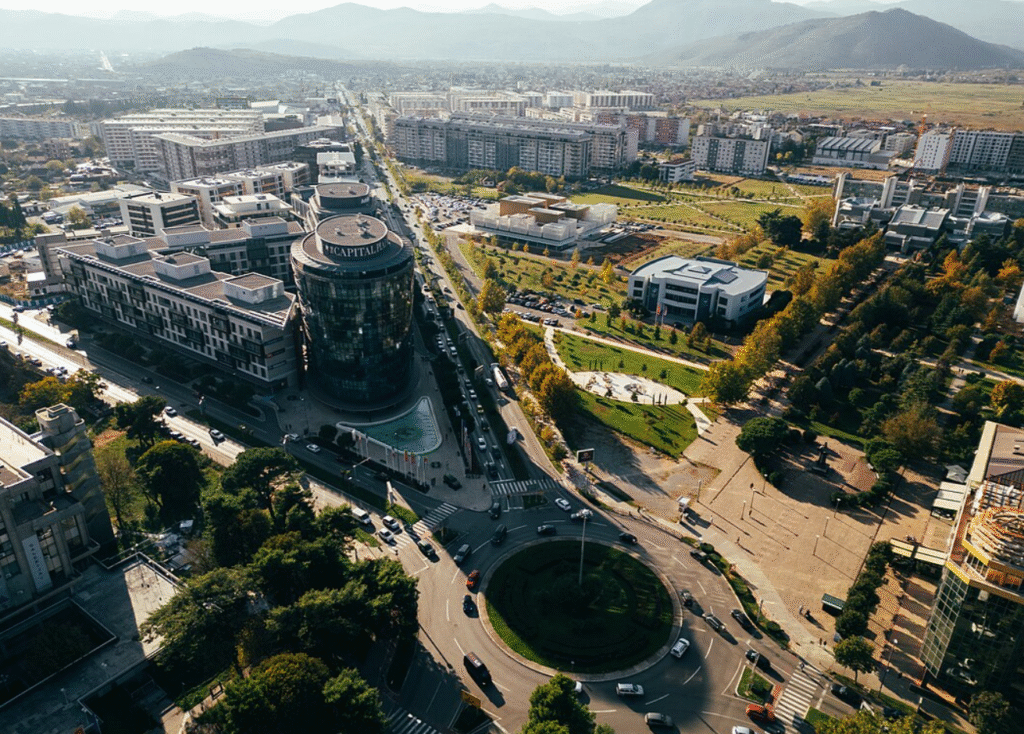
While history is ever-present, Podgorica is also a city in motion, embracing modernity with contemporary architecture, cultural spaces, and a burgeoning arts scene. The city has transformed significantly over the past two decades, with new developments reshaping its skyline and urban landscape.
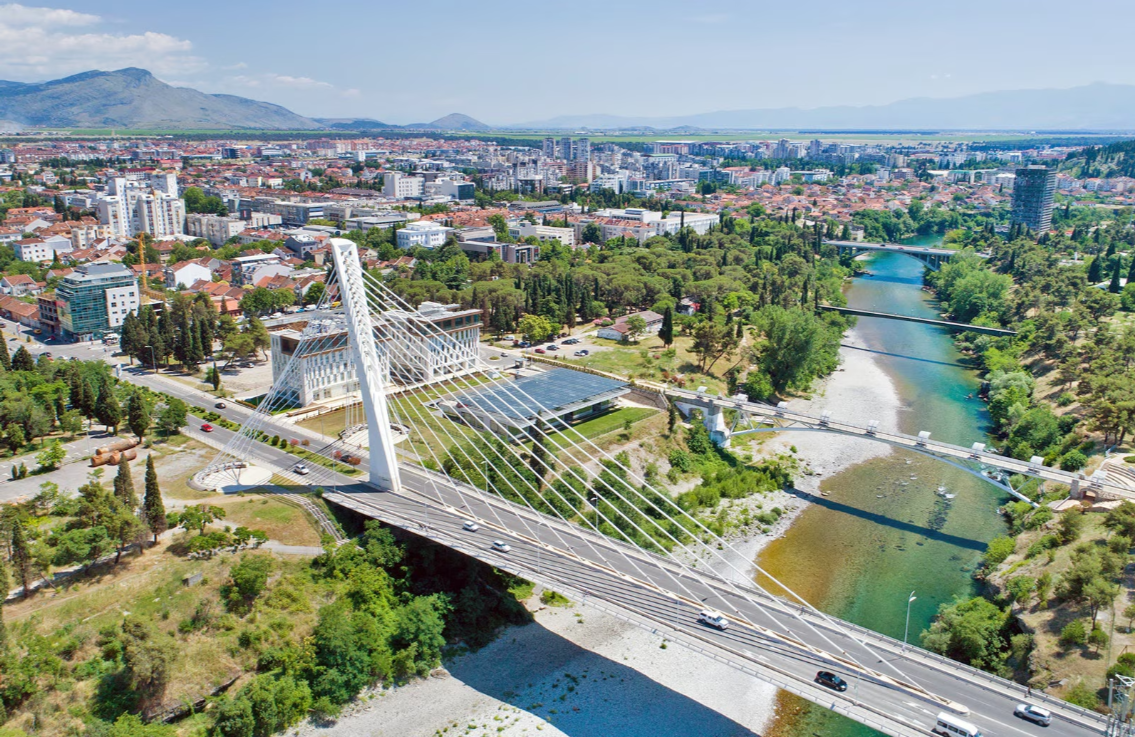
One of the most striking modern structures in Podgorica is the Millennium Bridge, a symbol of the city’s progress and aspirations. Spanning the Morača River, the bridge’s sleek design and towering pylon have made it an iconic part of Podgorica’s identity. It connects the old and new parts of the city, much like the city itself bridges different eras of history.
Nearby, the Center for Contemporary Art of Montenegro, housed in the Petrović Palace, provides a cultural counterpoint to the city’s historical sites. The gallery showcases works from Montenegrin and international artists, reflecting the country’s evolving artistic identity. The city’s growing street art scene also adds to its contemporary appeal, with murals and graffiti transforming once-ordinary walls into vibrant expressions of creativity.
Podgorica’s modern transformation is perhaps most evident in the new districts that have emerged in recent years. The Atlas Capital Center, a sleek commercial and residential complex, houses luxury shops, trendy cafés, and international restaurants, offering a glimpse into the city’s evolving lifestyle. Meanwhile, Delta City, Montenegro’s largest shopping mall, serves as a hub for both locals and visitors looking for a modern shopping experience.
Despite its modernization, Podgorica remains deeply connected to its Balkan roots. Traditional markets such as the Podgorica Green Market provide a lively contrast to the city’s new developments. Here, vendors sell fresh produce, local cheeses, and homemade rakija (fruit brandy), giving visitors a taste of Montenegro’s rich culinary traditions.
Nature and Relaxation: Green Spaces and Outdoor Escapes
One of Podgorica’s most surprising aspects is its abundance of green spaces and proximity to nature. While it may not have the dramatic coastal scenery of Montenegro’s Adriatic towns, the city offers plenty of opportunities for outdoor exploration and relaxation.
Gorica Hill, from which the city takes its name, is a popular spot for both locals and visitors seeking a break from urban life. The park surrounding the hill is ideal for jogging, hiking, or simply enjoying panoramic views of the city. At the top, the Partisan Memorial stands as a somber reminder of Montenegro’s role in World War II, offering both historical significance and a quiet place for reflection.
For those looking to unwind by the water, the Morača River provides a refreshing escape. The riverbanks are lined with walking and cycling paths, and in the summer months, locals gather at the river’s natural beaches to cool off in its clear waters. The Cijevna River, just outside the city, is home to the stunning Niagara Falls of Montenegro—a series of cascading waterfalls that create a picturesque setting for a day trip or picnic.
Another hidden gem near Podgorica is Lake Skadar, the largest lake in the Balkans and a haven for birdwatchers and nature lovers. Just a short drive from the city, the lake’s tranquil waters and surrounding wetlands make it an ideal destination for boat trips, kayaking, and exploring small fishing villages. With its diverse wildlife and breathtaking scenery, Lake Skadar showcases a side of Montenegro that goes beyond its coastal attractions.
Podgorica is a city that surprises those who take the time to explore it. While it may lack the immediate grandeur of other European capitals, its blend of ancient ruins, Ottoman heritage, modern development, and natural beauty make it a destination worth discovering. Whether wandering through the old town, admiring the city’s contemporary architecture, or escaping to the nearby rivers and mountains, visitors will find a city that is constantly evolving yet deeply connected to its past. As Montenegro’s capital, Podgorica serves as both a cultural and economic center, offering a glimpse into the country’s history while embracing a future full of possibilities. For those willing to look beyond the usual tourist paths, Podgorica’s undiscovered charms reveal a city that is as intriguing as it is authentic.