Reykjavik’s Arctic Wonders: Geysers, Northern Lights, and Icelandic Traditions
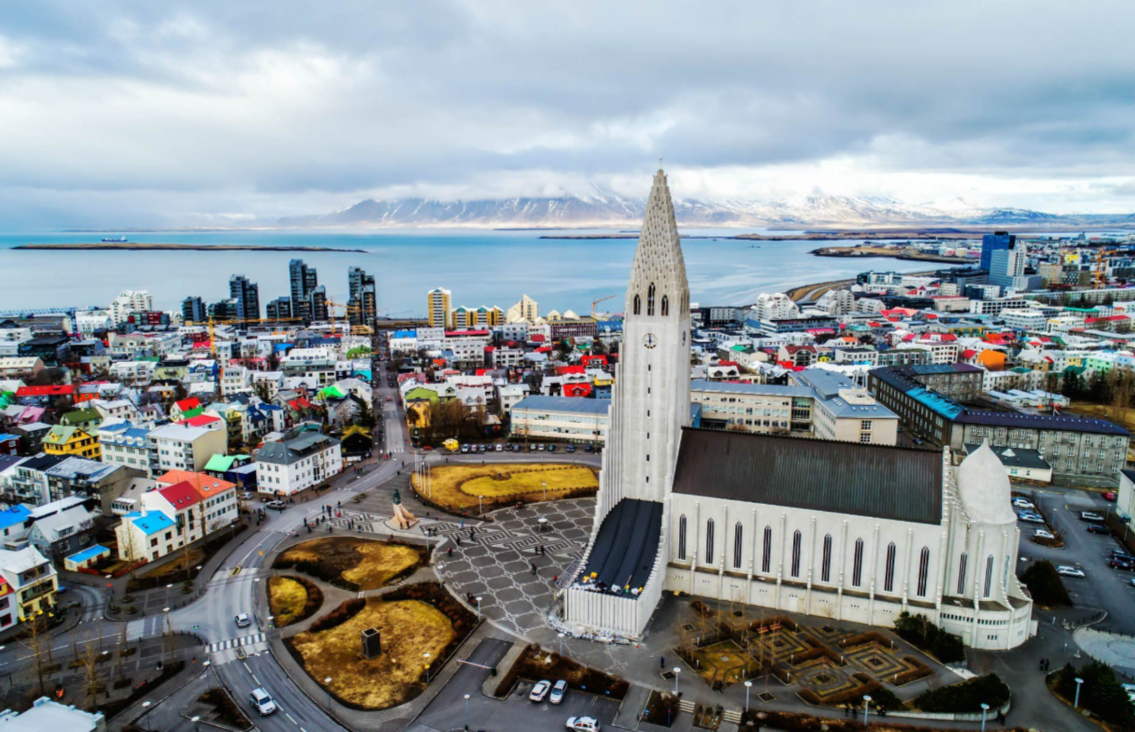
Reykjavik, the northernmost capital in the world, is a city like no other. Nestled on the edge of the Arctic Circle, it serves as the gateway to Iceland’s breathtaking landscapes, where fire and ice coexist in dramatic harmony. From the powerful geysers and steaming hot springs to the dancing Northern Lights that illuminate the winter sky, Reykjavik is a place of natural wonders and deep-rooted traditions. Despite its small size, the city is a cultural powerhouse, with a thriving arts scene, innovative cuisine, and a strong connection to Viking heritage. Reykjavik embodies the resilience and creativity of the Icelandic people, offering visitors a mix of ancient folklore, contemporary design, and a landscape that feels almost otherworldly. Whether seeking adventure in the wild landscapes beyond the city or immersing in its unique cultural offerings, Reykjavik presents an unforgettable journey into the heart of the Arctic.
Geysers and Volcanic Landscapes: Iceland’s Raw Power
Reykjavik is surrounded by one of the most geologically active regions on the planet, where geysers erupt, lava fields stretch endlessly, and hot springs bubble beneath the surface. This proximity to nature’s raw power is what makes Iceland so unique, and visitors to Reykjavik have easy access to some of the country’s most iconic natural wonders.
One of the must-visit sites is the Golden Circle, a route that takes travelers through three of Iceland’s most famous attractions. The first stop is Þingvellir National Park, a UNESCO World Heritage Site where the Eurasian and North American tectonic plates visibly pull apart, creating a dramatic rift valley. Þingvellir is also historically significant as the site of Iceland’s first parliament, established in 930 AD, making it one of the oldest in the world.
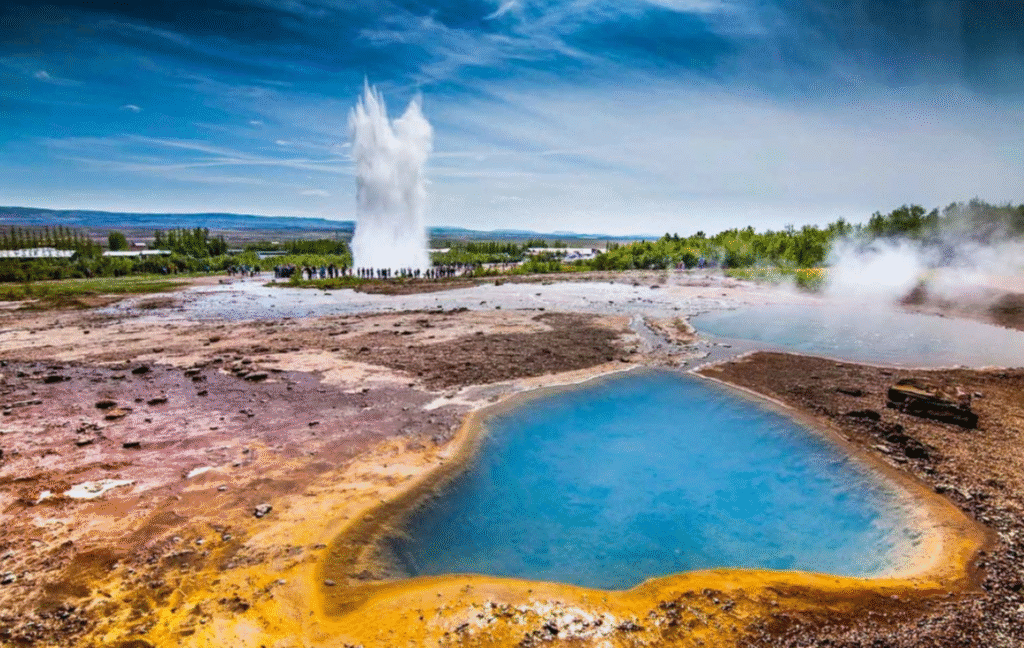
Next on the route is the Geysir Geothermal Area, home to Strokkur, a geyser that erupts every few minutes, shooting boiling water high into the air. The surrounding landscape is dotted with steaming vents, bubbling mud pools, and mineral-rich hot springs, providing a glimpse into the geothermal energy that powers much of Iceland.
Finally, there is Gullfoss, the “Golden Waterfall,” a breathtaking two-tiered cascade that roars through a rugged canyon. The sheer power of the falls is mesmerizing, especially in winter when the icy mist creates surreal frozen formations around the cliffs. These natural attractions showcase Iceland’s volcanic power and highlight the elemental forces that have shaped the island over millennia.
Closer to Reykjavik, the Blue Lagoon is a world-famous geothermal spa where visitors can soak in warm, mineral-rich waters surrounded by lava fields. The lagoon’s milky-blue waters are known for their healing properties, and a dip in its soothing warmth is the perfect way to experience Iceland’s geothermal energy firsthand.
Northern Lights and Arctic Skies: Nature’s Light Show
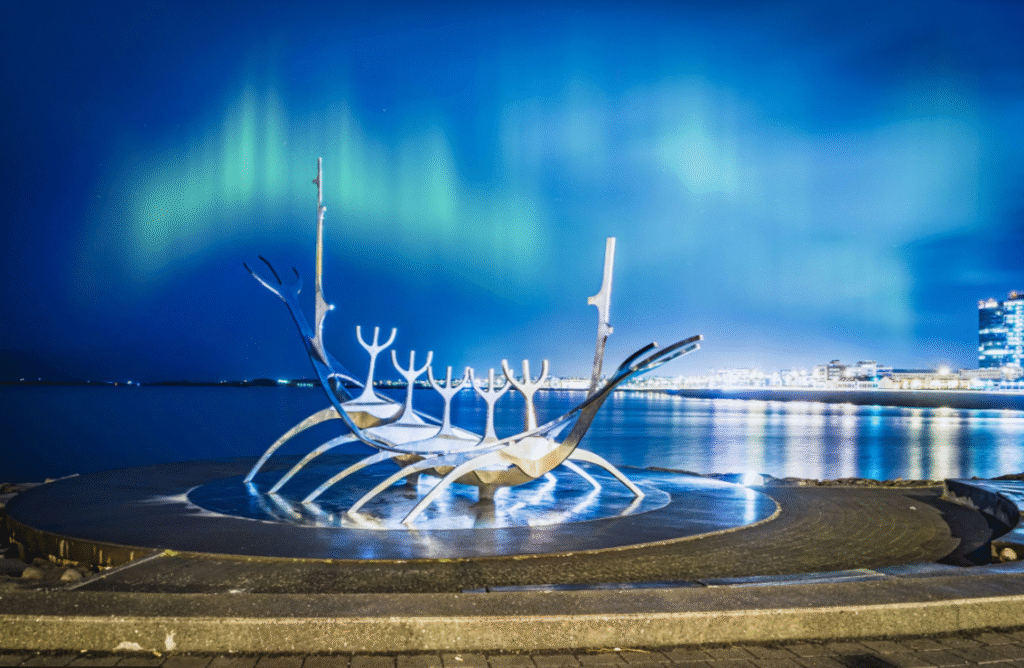
Reykjavik is one of the best places in the world to witness the Northern Lights, a phenomenon that has captivated travelers and locals for centuries. The aurora borealis, caused by charged particles from the sun interacting with Earth’s magnetic field, paints the night sky in vibrant hues of green, purple, and pink. Seeing the Northern Lights dance above the Arctic landscape is a magical experience, and Reykjavik’s location offers prime viewing opportunities from September to April.
For the best chance of witnessing the lights, visitors often venture just outside the city, where light pollution is minimal. Popular viewing spots include the Grótta Lighthouse on the Seltjarnarnes Peninsula, where the dark skies over the Atlantic Ocean provide an excellent backdrop for the aurora. Organized Northern Lights tours also take visitors into the remote countryside, where the lights shine with even greater intensity against Iceland’s untouched landscapes.
Even if the aurora is elusive, Reykjavik’s night sky remains a spectacle in itself. The city embraces its Arctic location with a deep appreciation for the stars and the cosmos. The Perlan Museum’s planetarium offers immersive experiences that simulate the Northern Lights and explore Iceland’s unique position under the celestial canopy.
Winter nights in Reykjavik are long, with only a few hours of daylight, but this darkness adds to the city’s charm. Cozy cafés, warm geothermal pools, and candlelit restaurants create a welcoming atmosphere that contrasts beautifully with the cold Arctic air. Meanwhile, the summer months bring the Midnight Sun, when the sun barely dips below the horizon, bathing the city in a surreal golden light that lasts late into the evening.
Icelandic Traditions: Folklore, Cuisine, and Modern Culture
Despite its modern appearance, Reykjavik is deeply connected to Icelandic traditions, many of which date back to the Viking Age. The city’s folklore is rich with tales of elves, trolls, and hidden people (huldufólk), mythical beings that are still widely believed in by many Icelanders. Some roads and construction projects have even been altered to avoid disturbing these supernatural creatures. The Árbæjarsafn Open Air Museum and the Elf School in Reykjavik provide insight into these age-old beliefs, allowing visitors to delve into the mystical side of Icelandic culture.
Reykjavik is also home to a thriving literary tradition, with Icelanders being among the most avid readers in the world. The annual Jólabókaflóð (Christmas Book Flood) is a unique holiday tradition in which books are exchanged as gifts and read late into the night on Christmas Eve. The city’s bookstores and libraries reflect this passion for literature, with works ranging from ancient sagas to contemporary Icelandic fiction.
Icelandic cuisine has also undergone a renaissance, blending traditional flavors with modern culinary creativity. Reykjavik’s food scene offers everything from time-honored dishes like fermented shark (hákarl) and lamb stew to contemporary interpretations of Nordic cuisine. Seafood plays a prominent role in Icelandic dining, with fresh fish, langoustine, and Arctic char appearing on menus across the city. Restaurants such as Dill, Iceland’s first Michelin-starred establishment, highlight the country’s innovative approach to gastronomy, using locally sourced ingredients to create dishes that pay homage to Iceland’s rugged environment.
The city’s café culture is equally vibrant, with cozy spots like Mokka Kaffi and Reykjavik Roasters serving up expertly brewed coffee alongside delicious pastries. Reykjavik’s nightlife, though small compared to other capitals, is legendary, with bars and music venues hosting everything from live jazz performances to electronic dance parties that last until the early morning.
One of the most fascinating aspects of Reykjavik’s cultural identity is its deep connection to music. The city has produced globally renowned artists like Björk and Sigur Rós, whose ethereal sounds are inspired by Iceland’s landscapes. Music festivals such as Iceland Airwaves attract international audiences and celebrate Reykjavik’s status as a hub for experimental and boundary-pushing sounds.
Reykjavik is a city that defies expectations, offering a mix of raw natural beauty, deep-rooted traditions, and cutting-edge modernity. Whether marveling at erupting geysers, chasing the Northern Lights, or immersing in Icelandic folklore, visitors will find themselves in a place where history and nature intertwine in spectacular ways. As the heart of one of the world’s most unique countries, Reykjavik serves as both a cultural haven and a gateway to the wild landscapes beyond. The city’s Arctic wonders, creative energy, and warm hospitality make it a destination that captivates the imagination and lingers in the soul long after the journey ends.