Sofia’s Ancient Soul: Balkan History and the Unexpected Charm of Bulgaria’s Capital
Sofia, the capital of Bulgaria, is a city where history, culture, and modernity converge in a fascinating blend. Nestled at the foot of Vitosha Mountain, Sofia is one of Europe’s oldest cities, with a past stretching back more than 7,000 years. Despite being one of the lesser-explored capitals in Europe, Sofia holds a treasure trove of archaeological wonders, grand Orthodox churches, Ottoman mosques, and remnants of its communist past. The city’s unique charm lies in its ability to merge different cultural influences, from Roman ruins beneath its streets to Soviet-style monuments and modern cafés buzzing with youthful energy. Whether wandering through its historic boulevards, admiring the golden domes of Alexander Nevsky Cathedral, or escaping to the nearby mountains for a breath of fresh air, Sofia offers visitors a journey through time in one of the Balkans’ most intriguing destinations.
Tracing the Layers of History: From Ancient Serdica to Modern Sofia
Sofia’s history is a tapestry of civilizations, each leaving behind layers of cultural and architectural heritage. The city was originally founded by the Thracians before becoming the Roman settlement of Serdica in the 1st century AD. Today, visitors can explore the remains of this ancient city beneath the modern streets of Sofia, where preserved Roman walls, streets, and public baths provide a glimpse into its past. The Serdica Archaeological Complex, located in the heart of the city, showcases these ruins, seamlessly integrated with contemporary structures and metro stations.
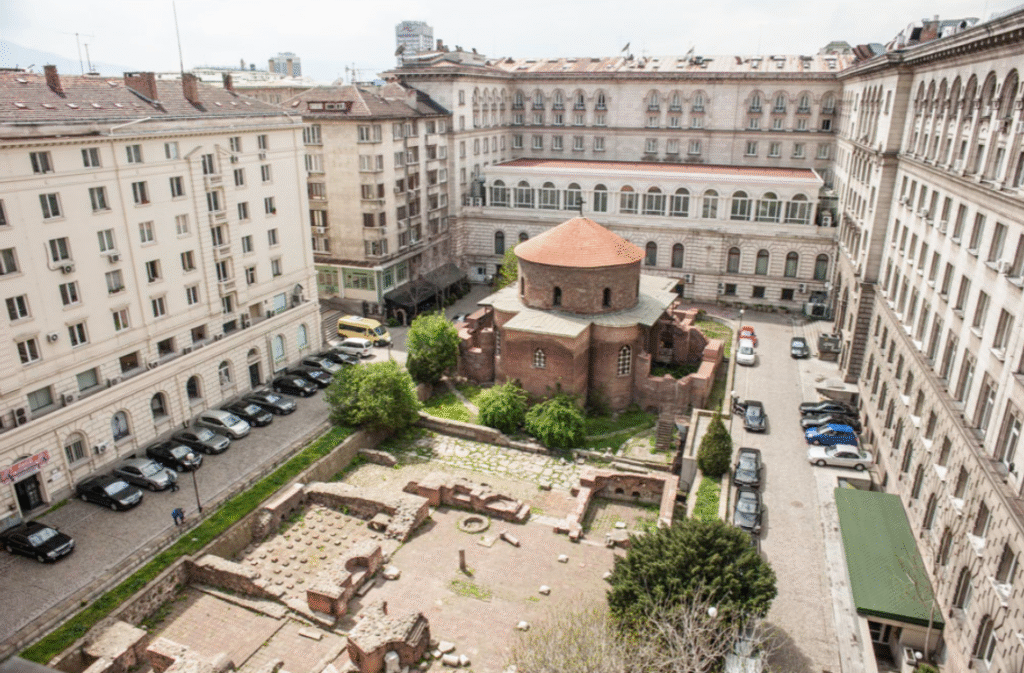
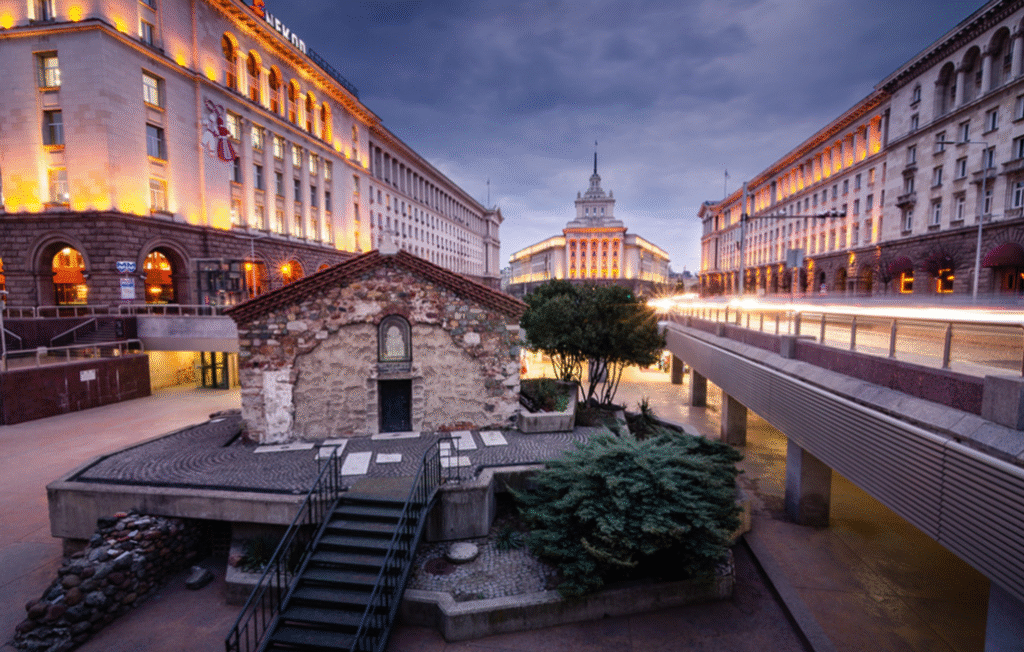
One of the most fascinating remnants of Sofia’s ancient past is the Church of St. George Rotunda, a red-brick Roman church that dates back to the 4th century. Hidden in a courtyard behind government buildings, this small but beautifully preserved church is the oldest in Sofia and features layers of medieval frescoes that reveal the city’s rich religious history. The blend of pagan, Christian, and Ottoman influences in Sofia’s architecture and culture reflects the city’s continuous evolution through the centuries.
Moving forward in time, Sofia was under Ottoman rule for nearly five centuries, a period that shaped its cultural landscape. The Banya Bashi Mosque, designed by the great Ottoman architect Mimar Sinan in the 16th century, stands as a testament to this era. With its elegant minaret and domed structure, the mosque remains an important religious site for Sofia’s Muslim community. Just across the street, the Central Mineral Baths, once a grand public bathing complex, now house the Sofia History Museum, where visitors can learn more about the city’s diverse heritage.
Sofia’s more recent history is marked by its role as the capital of Bulgaria under communist rule. Monuments such as the Monument to the Soviet Army and the Largo, a set of imposing Stalinist-style buildings, reflect the country’s mid-20th-century transformation. Today, these sites are subject to debate and reinterpretation, illustrating Bulgaria’s complex relationship with its past.
Orthodox Majesty and Sofia’s Spiritual Landmarks
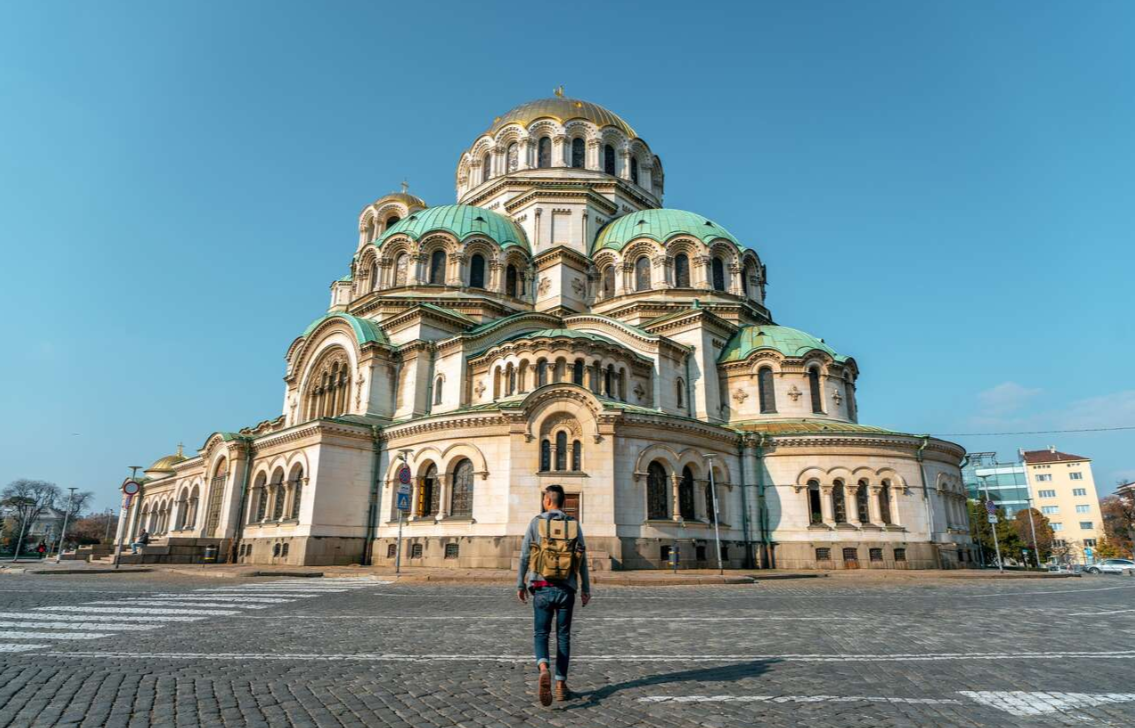
One of Sofia’s most striking features is its collection of Orthodox churches, which showcase the city’s deep spiritual roots and Byzantine influences. The most iconic of these is the Alexander Nevsky Cathedral, a breathtaking example of Neo-Byzantine architecture. Built in honor of Russian soldiers who died in the Russo-Turkish War, this grand cathedral dominates the city skyline with its golden domes and intricate mosaics. Inside, visitors are greeted by opulent chandeliers, frescoes, and an atmosphere of quiet reverence.
Nearby, the smaller but equally captivating Church of St. Sofia, which gave the city its name, stands as one of Bulgaria’s oldest churches. Dating back to the 6th century, this red-brick basilica is built on layers of older churches and Roman tombs, revealing Sofia’s continuous habitation over the millennia. The crypt beneath the church offers a fascinating archaeological site where ancient burial chambers and early Christian frescoes can be explored.
Another important religious site is the Boyana Church, a UNESCO World Heritage Site located on the outskirts of Sofia. This medieval church is famous for its 13th-century frescoes, which are considered masterpieces of Eastern Orthodox art and a precursor to the Renaissance. The expressive faces and intricate details of these frescoes mark a significant departure from the rigid religious iconography of the time, making the church a must-visit for art and history enthusiasts.
Sofia’s religious diversity is further highlighted by the presence of the Sofia Synagogue, one of the largest Sephardic synagogues in Europe, and the Catholic Cathedral of St. Joseph. The close proximity of these religious buildings within the city center symbolizes Sofia’s long-standing tradition of coexistence and cultural exchange.
The Unexpected Green Oasis: Vitosha Mountain and Sofia’s Outdoor Life
Despite being a bustling capital, Sofia is uniquely positioned at the foot of Vitosha Mountain, offering residents and visitors an easy escape into nature. Just a short drive or cable car ride from the city center, Vitosha provides year-round outdoor activities, from hiking and mountain biking in the summer to skiing and snowboarding in the winter. The panoramic views from the summit reveal Sofia’s skyline framed by rolling green hills, a reminder of the city’s harmonious blend of urban life and natural beauty.
One of the most popular spots on Vitosha is the Golden Bridges, a natural rock formation created by a glacier, offering picturesque trails through pine forests. The Boyana Waterfall, hidden within the mountain’s trails, is another favorite hiking destination, rewarding visitors with breathtaking views and the soothing sounds of cascading water.
Back in the city, Sofia’s many parks and gardens provide tranquil retreats from the urban rush. Borisova Gradina, the city’s largest park, is a favorite among locals for jogging, picnicking, and relaxing by its lakes and monuments. The South Park and the Doctor’s Garden also offer peaceful green spaces, where visitors can enjoy a coffee or simply unwind under the shade of century-old trees.
Sofia’s café culture is an essential part of the city’s lifestyle, with a mix of traditional and modern influences shaping its coffee scene. Small independent cafés, often hidden in quiet courtyards, serve locally roasted coffee alongside homemade pastries, creating the perfect setting for a leisurely afternoon. At night, Sofia transforms into a lively city with a vibrant nightlife scene, ranging from cozy wine bars to underground clubs playing everything from jazz to electronic music.
Sofia is a city that surprises at every turn, offering a mix of ancient history, spiritual landmarks, and a modern vibrancy that reflects Bulgaria’s evolving identity. From the ruins of Serdica to the golden domes of its cathedrals, from Ottoman mosques to communist-era relics, the city is a living testament to centuries of change and resilience. At the same time, its proximity to nature, welcoming café culture, and youthful energy make it an unexpectedly dynamic destination. Whether exploring its ancient streets, hiking through Vitosha’s forests, or sipping coffee in a hidden courtyard, visitors to Sofia will find themselves immersed in a city where history and modernity exist in perfect harmony. Sofia may not be as well-known as other European capitals, but for those who venture here, it offers a deep and authentic experience that leaves a lasting impression.