Tirana’s Colorful Transformation: Albania’s Capital of History and Vibrance
Tirana, the capital of Albania, is a city that defies expectations. Once a gray and isolated place under communist rule, it has since undergone a remarkable transformation into one of Europe’s most vibrant and dynamic capitals. With its bold-colored buildings, lively café culture, and a mix of Ottoman, Italian, and socialist-era architecture, Tirana is a city that tells a fascinating story of resilience, renewal, and reinvention. The energy of the city is palpable, from the bustling streets of Blloku to the historic landmarks of Skanderbeg Square. Whether exploring its rich history, admiring its eclectic architecture, or soaking in its modern artistic flair, visitors will find that Tirana is a city unlike any other in the Balkans. With a youthful spirit and an eye on the future, Tirana is quickly becoming one of Europe’s most exciting emerging destinations.
A Capital with a Complex Past: Ottoman Roots, Italian Influence, and Communist Legacy
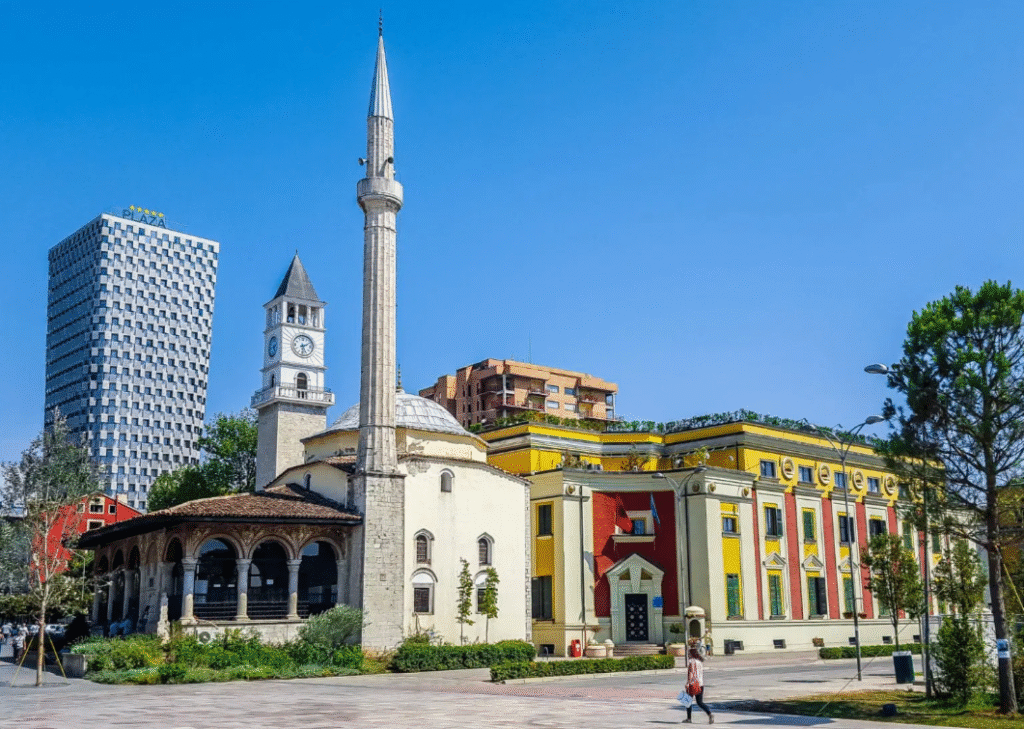
Tirana’s history is one of contrasts and change, shaped by centuries of different rulers and ideologies. The city was officially founded in the 17th century by the Ottoman general Sulejman Bargjini, but the region’s history dates back much further, with Illyrian and Roman settlements in the area. Today, traces of the city’s Ottoman past can still be found in its oldest structures, including the Et’hem Bey Mosque, one of Tirana’s most cherished landmarks. Built in the late 18th century, the mosque is adorned with delicate frescoes depicting trees, waterfalls, and bridges—rare motifs in Islamic art. Despite being closed during Albania’s communist era, the mosque survived decades of state atheism and now stands as a symbol of the country’s cultural resilience.
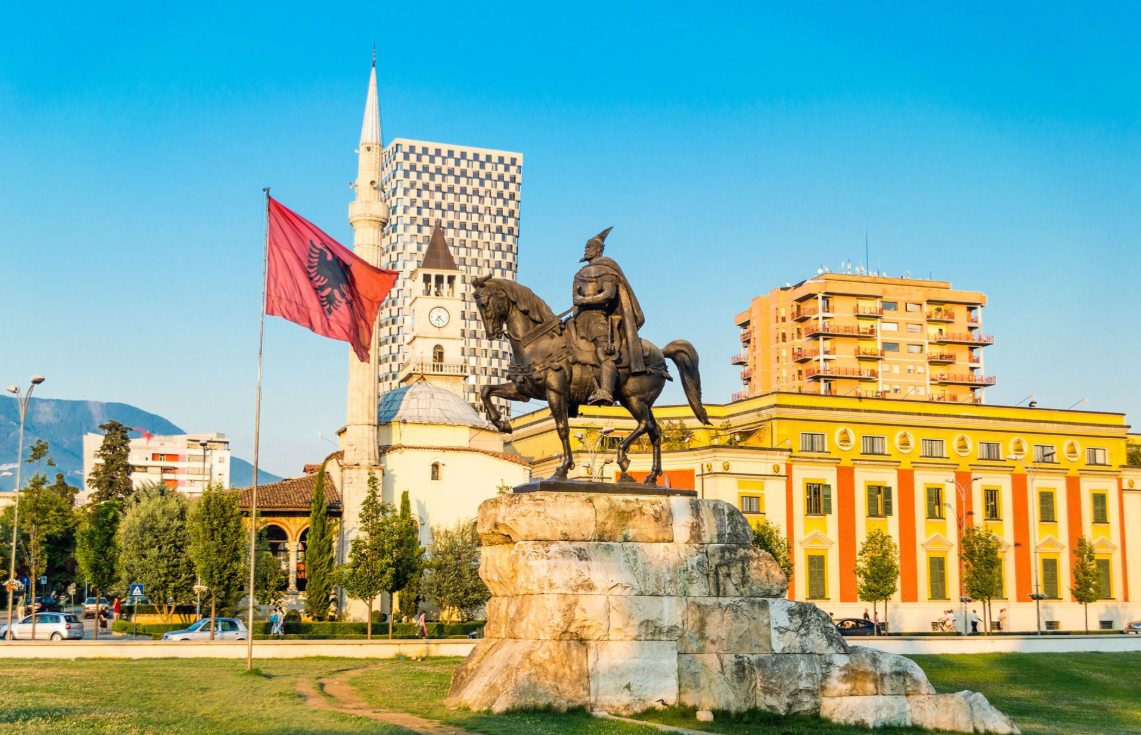
Italian influence is also evident throughout Tirana, particularly in the grand boulevards and neoclassical buildings constructed during the 1930s when Albania was under Italian rule. The elegant architecture of government buildings around Skanderbeg Square, including the Palace of Culture and the National Historical Museum, reflects the city’s time as a project of Mussolini’s architects, blending fascist-era urban planning with traditional Albanian motifs.
However, perhaps the most defining chapter of Tirana’s history came during the communist era, when Albania became one of the most isolated countries in the world under the dictatorship of Enver Hoxha. The city became a showcase of socialist architecture, with imposing concrete buildings, grand Stalinist squares, and the infamous network of underground bunkers scattered throughout the capital. One of the most significant remnants of this era is the Pyramid of Tirana, originally built as a museum in honor of Hoxha. Today, the crumbling structure stands as both a relic of the past and a canvas for street artists, representing Albania’s ongoing struggle with its communist legacy.
Tirana’s post-communist transformation has been nothing short of remarkable. The once gray cityscape was revitalized in the early 2000s under the leadership of then-mayor Edi Rama, who initiated a project to paint the city’s buildings in bright, bold colors. Today, this artistic explosion defines Tirana’s identity, symbolizing its break from the past and its embrace of a more open and creative future.
A City of Colors and Creativity: Modern Tirana’s Artistic and Cultural Renaissance
Tirana’s modern identity is built on creativity, innovation, and an unshakable energy that drives the city forward. At the heart of this transformation is the Blloku district, once an exclusive neighborhood reserved for the communist elite. Today, it has been reborn as the trendiest part of Tirana, filled with stylish cafés, international restaurants, and vibrant bars. The streets of Blloku are alive day and night, with young Albanians gathering to enjoy the city’s newfound freedom and cosmopolitan atmosphere.
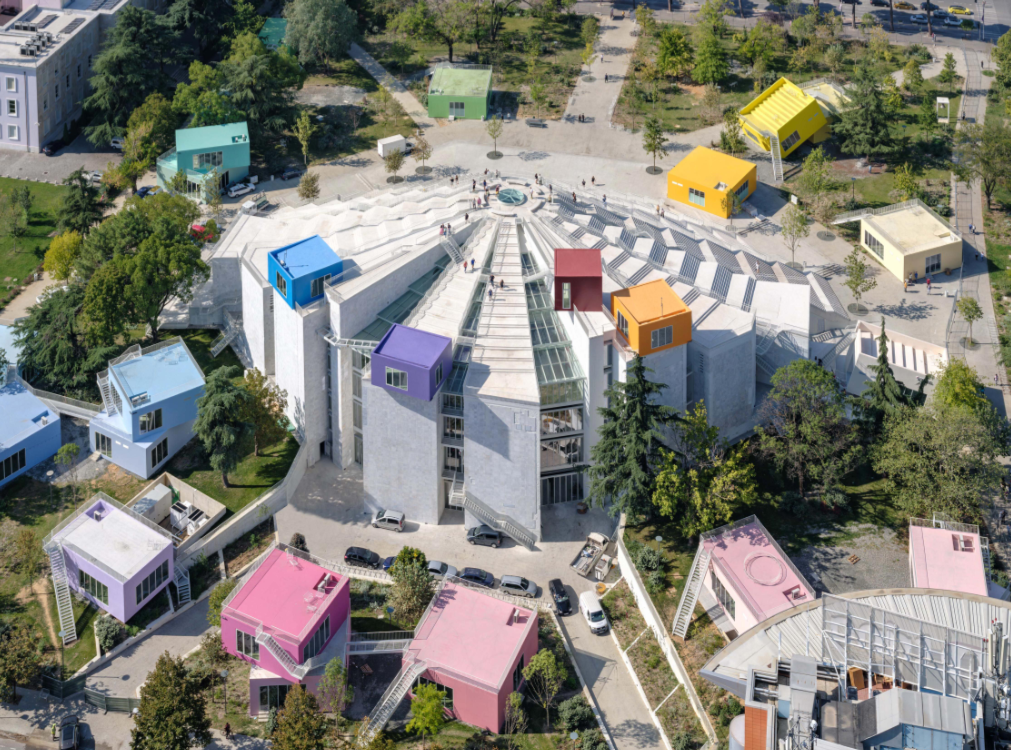
One of the most symbolic places in modern Tirana is the Reja (The Cloud), a contemporary art installation designed by Japanese architect Sou Fujimoto. Located near the National Gallery of Arts, this airy, transparent structure serves as a gathering space for cultural events, film screenings, and discussions, reflecting Tirana’s commitment to embracing contemporary art and public engagement.
Street art is another defining feature of Tirana’s evolving identity. The city is home to a growing number of murals and graffiti pieces that cover walls, apartment buildings, and even former communist structures. The Open Air Gallery initiative has turned the city into a canvas, with local and international artists contributing to its colorful and dynamic appearance.
Beyond its artistic revival, Tirana is also home to some of Albania’s most important cultural institutions. The National Historical Museum, located in Skanderbeg Square, provides an extensive overview of the country’s history, from its Illyrian origins to its communist past. Meanwhile, the House of Leaves, once a secret surveillance center during the dictatorship, has been transformed into a museum dedicated to the victims of Albania’s totalitarian regime, offering a sobering look into the country’s darker history.
Green Escapes and Natural Wonders: Tirana’s Connection to Nature
Despite being a bustling capital, Tirana offers plenty of opportunities to connect with nature, making it a city where urban life and green spaces coexist harmoniously. The Grand Park of Tirana, known locally as Parku i Madh, is the city’s most beloved green space, featuring a large artificial lake, walking trails, and open-air cafés where locals gather to relax. The park is a popular spot for joggers, families, and those seeking a quiet retreat from the city’s energy.
For those looking for a more adventurous escape, Mount Dajti provides a perfect getaway just outside the city. A quick ride on the Dajti Express cable car takes visitors to the top of the mountain, offering breathtaking views of Tirana and the surrounding valleys. Once at the summit, hiking trails, picnic areas, and traditional Albanian restaurants provide an ideal setting for enjoying nature and local cuisine.
Tirana is also a gateway to some of Albania’s most stunning natural landscapes. A short drive from the city takes visitors to the Bovilla Reservoir, a hidden gem known for its turquoise waters and dramatic cliffs. The climb to the panoramic viewpoint rewards hikers with some of the best views in the region, making it a must-visit for nature lovers.
The city’s commitment to green spaces is also reflected in Skanderbeg Square, which underwent a major transformation to become a pedestrian-friendly plaza filled with trees, fountains, and open areas designed for public events and gatherings. This reinvention of the city’s central square has turned it into a vibrant public space where history and modern life intersect.
Tirana is a city in the midst of an extraordinary transformation. What was once a closed and gray capital has blossomed into a lively, colorful, and forward-looking metropolis that embraces both its history and its future. From its Ottoman roots and Italian-influenced boulevards to its communist past and contemporary artistic revival, Tirana is a city that tells a story of resilience and reinvention. Whether exploring its historic landmarks, engaging with its dynamic art scene, or escaping into its nearby natural wonders, visitors will find a city full of surprises. With its youthful energy, bold creativity, and warm hospitality, Tirana is not just the heart of Albania—it is a symbol of the country’s incredible journey from isolation to vibrance, inviting travelers to witness its remarkable evolution firsthand.