Valletta’s Sunlit Streets: Knights, Cathedrals, and Malta’s Mediterranean Magic
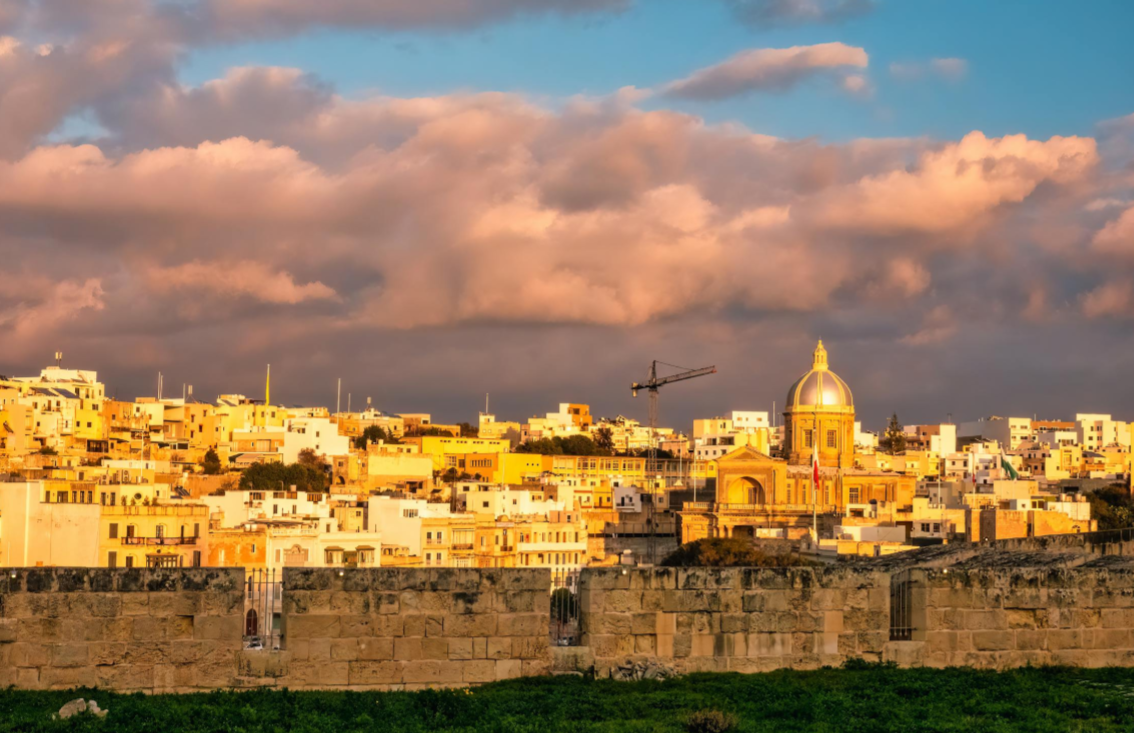
Valletta, the sun-drenched capital of Malta, is a city of golden limestone, baroque splendor, and Mediterranean charm. Rising dramatically above the Grand Harbour, this UNESCO World Heritage city is one of Europe’s smallest capitals, yet it holds a wealth of history, culture, and architectural grandeur that rivals much larger cities. Built by the Knights of St. John in the 16th century, Valletta’s streets are filled with centuries-old fortifications, majestic cathedrals, and intricately designed palaces. The city’s strategic position has made it a crossroads of civilizations for centuries, with influences from the Phoenicians, Romans, Moors, Normans, and the British all leaving their mark. Today, Valletta is a living museum, where the past meets the present in a lively and atmospheric setting. Whether admiring the stunning interiors of St. John’s Co-Cathedral, wandering through sunlit piazzas, or gazing across the azure waters of the Mediterranean, visitors to Valletta experience the magic of a city that has stood resilient through time.
The Legacy of the Knights: Fortifications, Palaces, and Grand Squares
Valletta owes much of its character to the Knights of St. John, the military and religious order that built the city in the 16th century as a stronghold against Ottoman invasions. The city’s fortifications are among the most impressive in Europe, designed to withstand sieges and naval attacks while showcasing the power of the Knights.
One of Valletta’s most iconic landmarks is Fort St. Elmo, a star-shaped fortress that played a crucial role during the Great Siege of Malta in 1565. Today, the fort houses the National War Museum, which tells the story of Malta’s military history, from the battles of the Knights to the city’s resilience during World War II. From the ramparts of Fort St. Elmo, visitors can enjoy breathtaking views of the Grand Harbour, where colorful boats bob against the backdrop of limestone bastions.
Another striking testament to Valletta’s grandeur is the Grand Master’s Palace, once the seat of power for the Knights of St. John and now home to the Office of the President of Malta. The palace’s richly decorated halls, with elaborate frescoes and antique weaponry, provide a glimpse into the opulence and authority of the Knights. The State Rooms and the Palace Armoury house one of the largest collections of arms and armor in the world, showcasing the military might that once protected the island.
Valletta’s fortifications also include the Upper Barrakka Gardens, a beautifully landscaped terrace that offers panoramic views over the Grand Harbour and the Three Cities beyond. Originally built as private gardens for the Knights, they are now a favorite spot for locals and tourists alike. At noon, the Saluting Battery, a row of cannons below the gardens, is fired in a tradition dating back to the time when gun salutes were used to greet visiting ships.
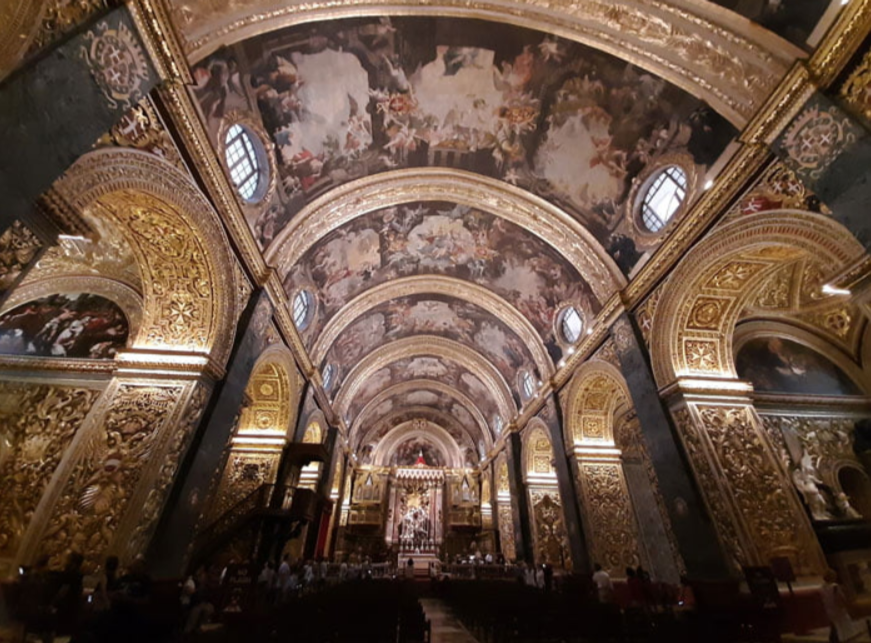
St. John’s Co-Cathedral and Valletta’s Religious Treasures
One of Valletta’s most awe-inspiring landmarks is St. John’s Co-Cathedral, a masterpiece of Baroque art and architecture. Built by the Knights of St. John in the late 16th century, the cathedral’s austere exterior contrasts sharply with its lavish interior, where gilded walls, marble tombs, and intricate frescoes create an atmosphere of grandeur.
The cathedral’s most famous treasure is Caravaggio’s The Beheading of Saint John the Baptist, considered one of the artist’s greatest works. Displayed in the Oratory, the painting’s dramatic use of light and shadow captures the moment of execution with haunting realism. It is the only signed work by Caravaggio and serves as a powerful centerpiece in a space filled with artistic and religious symbolism.
The cathedral’s floor is another remarkable feature, covered with elaborate marble tombstones of the Knights of St. John. Each tomb bears intricate inlays of coats of arms, skeletons, and Latin inscriptions, celebrating the valor and piety of the knights buried beneath. Walking through the cathedral feels like stepping into a vast and ornate tapestry of history, where every detail tells a story of devotion and power.
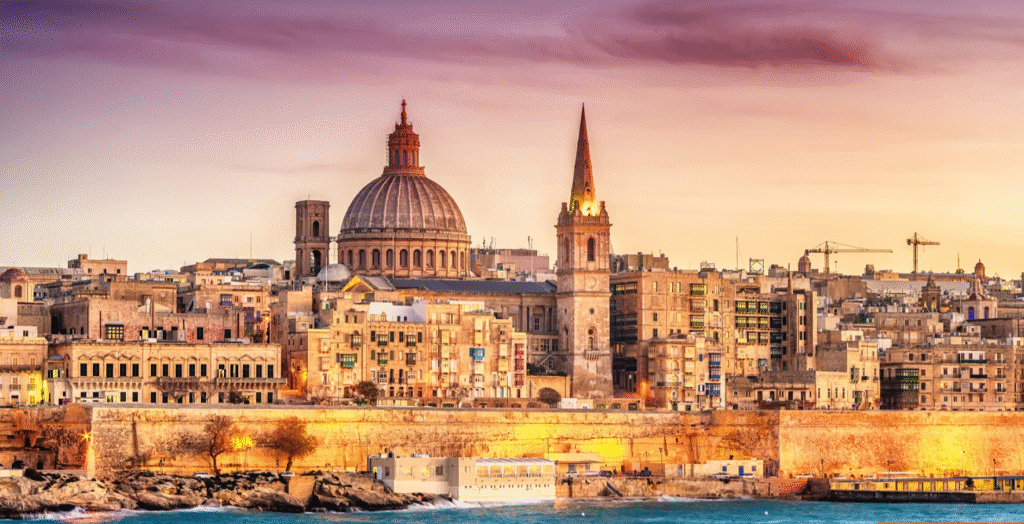
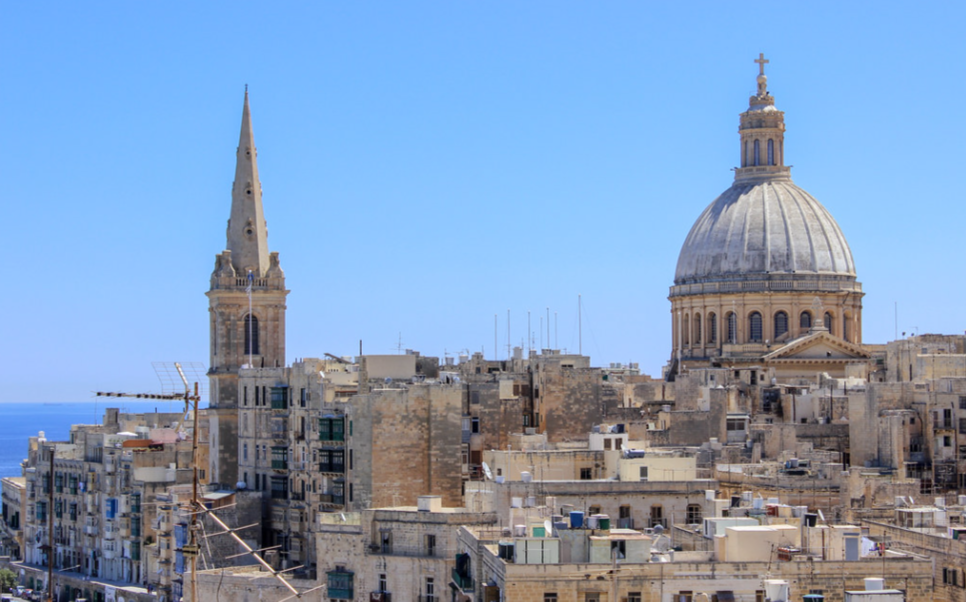
Beyond the cathedral, Valletta is home to numerous churches, chapels, and religious monuments. The Church of Our Lady of Victory, the first church built in Valletta, commemorates the Knights’ victory against the Ottomans. The Basilica of Our Lady of Mount Carmel, with its distinctive dome rising above the city’s skyline, adds another layer of architectural beauty to Valletta’s sacred landscape.
The Mediterranean Spirit: Cafés, Markets, and Harborside Strolls
While Valletta is steeped in history, it is also a vibrant and contemporary city where the Mediterranean way of life thrives. The city’s streets are lined with cafés, boutique shops, and lively markets, offering a taste of Malta’s rich culinary and artistic traditions.
Republic Street, Valletta’s main thoroughfare, is the perfect place to experience the city’s energy. Here, past and present merge as grand palaces stand alongside modern restaurants and artisanal shops. The traditional wooden balconies, painted in bright hues, add charm to the city’s architecture, while open-air cafés spill onto the streets, inviting visitors to linger over a coffee or a glass of Maltese wine.
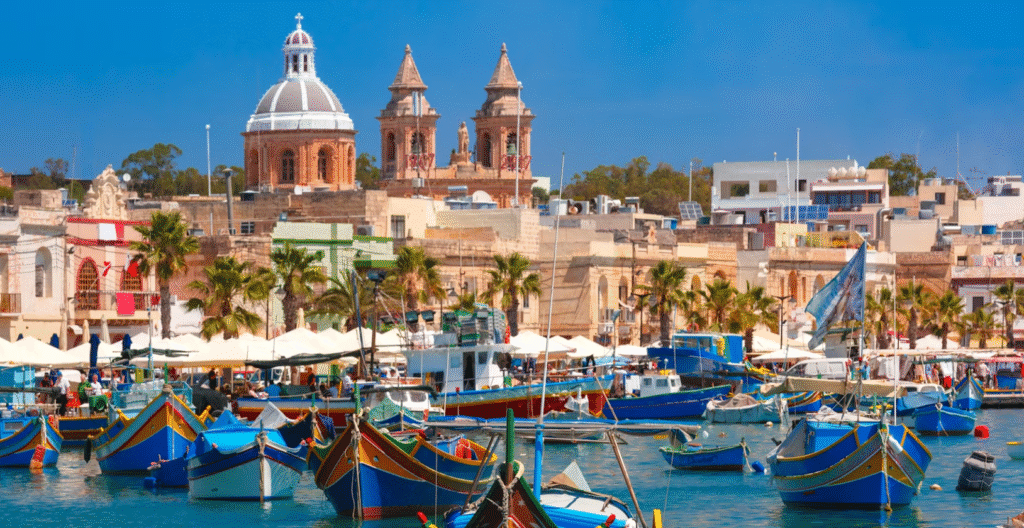
The city’s food scene is a reflection of its diverse influences, blending Mediterranean, Italian, and Arabic flavors. The bustling Marsaxlokk fish market, just outside Valletta, supplies the city’s restaurants with the freshest seafood, from lampuki (dorado) to octopus and prawns. Local specialties such as pastizzi (flaky pastries filled with ricotta or peas) and rabbit stew offer a taste of traditional Maltese cuisine.
For a truly atmospheric experience, a stroll along the waterfront at dusk reveals the beauty of Valletta’s harborside setting. The Grand Harbour, one of the most scenic natural harbors in the world, is framed by the bastions of Valletta and the historic Three Cities—Birgu, Senglea, and Cospicua. Traditional Maltese dgħajsa boats ferry passengers across the water, providing a picturesque and leisurely way to take in the city’s skyline.
As night falls, Valletta comes alive with cultural events, live music, and open-air performances in its historic squares. The city’s calendar is packed with festivals, from the Valletta Baroque Festival, which celebrates the city’s artistic heritage, to the Malta International Fireworks Festival, where dazzling displays light up the Grand Harbour. Whether sipping wine at an intimate jazz bar or watching a performance at the Manoel Theatre, one of the oldest working theaters in Europe, Valletta’s evenings are filled with charm and enchantment.
Valletta is a city that captivates with its blend of history, culture, and Mediterranean warmth. From its grand fortresses and ornate cathedrals to its sunlit piazzas and harborside promenades, every corner of the city tells a story of resilience, conquest, and artistic brilliance. Whether exploring the architectural marvels of the Knights of St. John, discovering hidden alleys filled with local charm, or simply enjoying the golden glow of the Maltese sun, Valletta offers an experience that is both timeless and unforgettable. In this small yet grand capital, the past is ever-present, yet life moves with a relaxed Mediterranean rhythm, making Valletta one of Europe’s most enchanting and distinctive destinations.