Warsaw’s Phoenix Rising: Poland’s Capital of Resilience and Cultural Revival
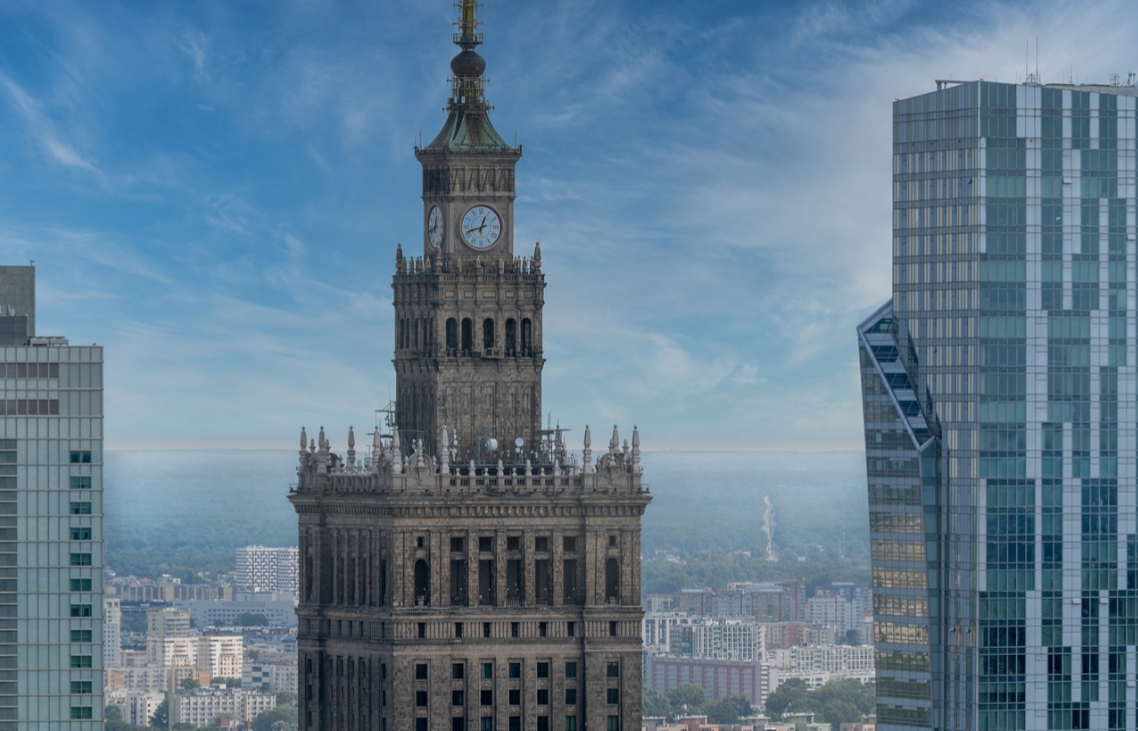
Warsaw, the capital of Poland, is a city that embodies resilience, reinvention, and cultural revival. Often overshadowed by Europe’s more famous capitals, Warsaw tells a story of survival and transformation. Destroyed almost entirely during World War II, the city rose from the ashes, rebuilt through the determination and spirit of its people. Today, Warsaw is a thriving metropolis where historic palaces stand alongside sleek skyscrapers, where centuries-old traditions blend seamlessly with cutting-edge innovation. It is a city of contrasts, where a walk through the Old Town transports visitors back in time, while the modern skyline reflects Poland’s dynamic future. From its deep-rooted history and vibrant arts scene to its flourishing culinary culture, Warsaw has redefined itself as a city of both remembrance and reinvention, making it one of Europe’s most intriguing destinations.
The Rebirth of Warsaw: History and Heritage
Few cities in the world have experienced destruction on the scale that Warsaw did during World War II. In 1944, following the Warsaw Uprising, nearly 85% of the city was reduced to rubble by Nazi forces. Yet, in the aftermath, Warsaw’s citizens undertook the remarkable task of reconstructing their city, brick by brick, using old photographs and architectural drawings as guides. The painstaking restoration of Warsaw’s Old Town, a UNESCO World Heritage site, stands as a testament to the city’s unbreakable spirit.
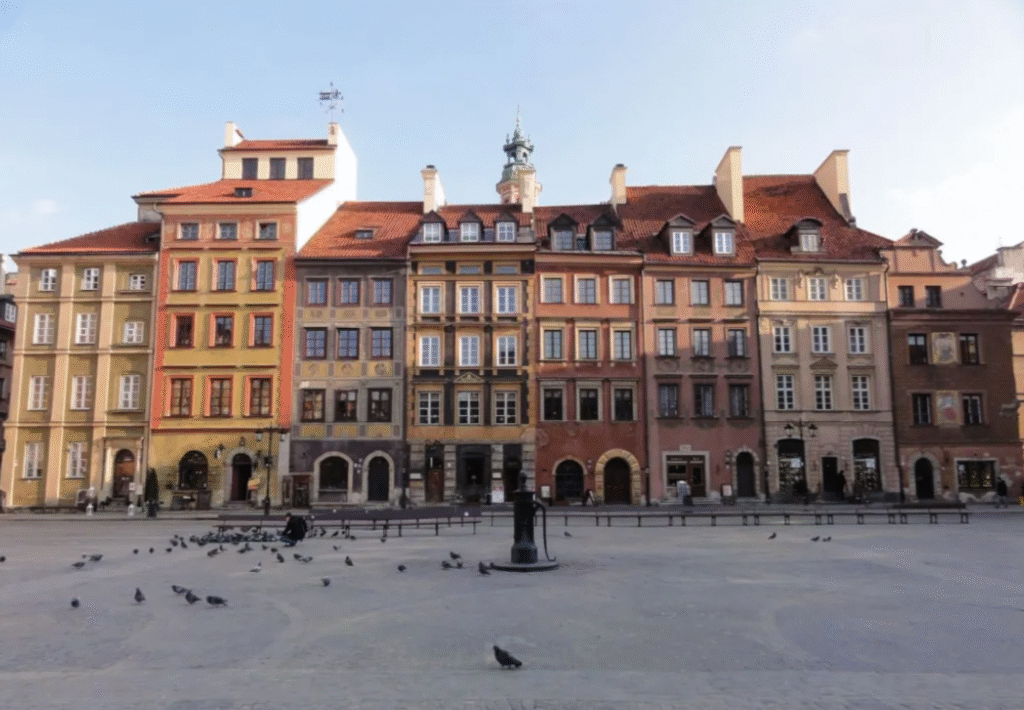
Walking through the cobbled streets of Old Town, visitors encounter pastel-colored townhouses, grand churches, and bustling squares that appear untouched by time, yet their history is one of destruction and rebirth. The Royal Castle, once the residence of Polish monarchs, was meticulously rebuilt and now serves as a symbol of national pride, housing important works of art and historical exhibits. The city’s Old Town Market Square, with its lively cafés and street performers, is a perfect example of Warsaw’s successful efforts to preserve its past while embracing modern life.
Beyond the Old Town, the remnants of Warsaw’s complex history are scattered throughout the city. The Warsaw Uprising Museum provides an immersive experience of the 1944 rebellion against Nazi occupation, detailing the bravery and sacrifices of the Polish resistance. A short distance away, the POLIN Museum of the History of Polish Jews tells the story of Poland’s Jewish community, from its medieval roots to the devastation of the Holocaust and the rebirth of Jewish life in modern Poland.
Warsaw’s story is one of resilience, and nowhere is this more evident than in the Praga district. Once a neglected area, Praga has transformed into a vibrant artistic hub, where abandoned factories have been repurposed into galleries, workshops, and music venues. This neighborhood embodies Warsaw’s ability to reinvent itself, turning destruction into opportunity and breathing new life into historic spaces.
A Cultural Renaissance: Art, Music, and Innovation
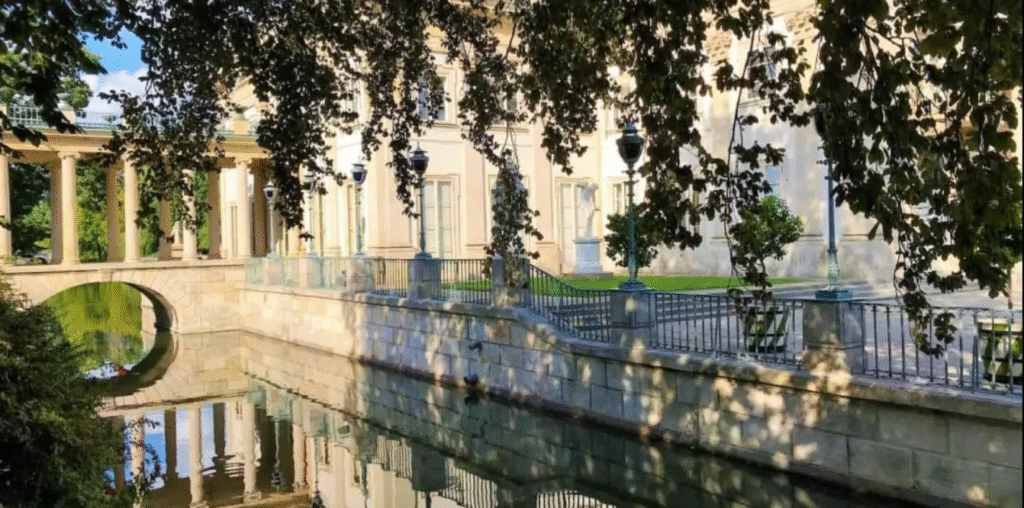
Warsaw’s cultural scene is as dynamic as its history, with a thriving arts community that spans classical music, contemporary art, and theater. The city has long been associated with Frédéric Chopin, Poland’s most famous composer, and his legacy is celebrated throughout Warsaw. The Chopin Museum, housed in a beautiful Baroque palace, provides a fascinating insight into his life and works, while the city’s public spaces are dotted with interactive Chopin benches that play excerpts of his compositions at the touch of a button. In the summer, Łazienki Park hosts free open-air Chopin concerts, drawing locals and visitors alike to enjoy the music in a picturesque setting.
For those interested in contemporary art, Warsaw is home to some of Poland’s most cutting-edge galleries and museums. The Zachęta National Gallery of Art showcases works by leading Polish artists, while the Museum of Modern Art pushes the boundaries of artistic expression with experimental installations and thought-provoking exhibitions. Warsaw’s alternative art scene flourishes in repurposed industrial spaces, such as the Soho Factory, where design studios, art collectives, and fashion innovators collaborate to redefine Poland’s creative landscape.
The city’s theater and film scene also play a crucial role in its cultural revival. The Grand Theatre, home to the Polish National Opera, hosts world-class performances of ballet and opera, while independent theaters like TR Warszawa present avant-garde productions that challenge traditional storytelling. Warsaw’s film festivals, including the Warsaw Film Festival and the Millennium Docs Against Gravity festival, showcase the best in international and Polish cinema, drawing filmmakers and cinephiles from around the world.
Warsaw’s nightlife reflects its artistic energy, with live music venues offering everything from jazz and classical concerts to electronic beats and underground club scenes. Plac Zbawiciela, a hub for Warsaw’s young creative crowd, is lined with bars and cafés that serve as meeting points for artists, writers, and musicians, further fueling the city’s cultural renaissance.
Warsaw’s Culinary Revolution: From Traditional to Trendsetting
While Polish cuisine is often associated with hearty comfort food, Warsaw’s culinary scene has undergone a transformation in recent years, embracing both traditional flavors and modern gastronomy. The city offers a mix of classic Polish eateries, trendy bistros, and Michelin-starred restaurants that cater to an increasingly sophisticated dining culture.
Traditional Polish cuisine is best experienced in milk bars (bar mleczny), which were once government-subsidized cafeterias serving affordable home-cooked meals. Today, places like Bar Prasowy and Bar Bambino continue to serve beloved Polish dishes such as pierogi (dumplings filled with cheese, meat, or mushrooms), żurek (sour rye soup with sausage and egg), and bigos (hunter’s stew). These establishments provide a glimpse into Poland’s culinary traditions, offering delicious, no-frills food that has stood the test of time.
For a more contemporary take on Polish flavors, Warsaw’s new wave of restaurants blend international influences with local ingredients. Chefs at places like Ale Wino and Kieliszki na Próżnej use seasonal Polish produce to create inventive dishes that honor the country’s culinary heritage while introducing modern techniques. Warsaw is also home to Poland’s first Michelin-starred restaurants, such as Atelier Amaro and Senses, where fine dining meets innovation, offering multi-course tasting menus that showcase the best of Polish ingredients.
Street food culture has also found its place in Warsaw, with food markets like Hala Koszyki and Nocny Market bringing together a variety of local vendors. Here, visitors can sample everything from traditional Polish sausages and artisanal cheeses to gourmet burgers and vegan delights. Warsaw’s café scene is equally vibrant, with specialty coffee shops like STOR and Ministerstwo Kawy leading the charge in third-wave coffee culture, offering meticulously brewed espresso and filter coffee in stylish settings.
Warsaw’s food scene reflects the city’s broader transformation—respecting the past while embracing the future. Whether indulging in a plate of pierogi at a historic milk bar or savoring a modern reinterpretation of Polish flavors, visitors can taste the city’s evolution in every bite.